Last updated November 22, 2026
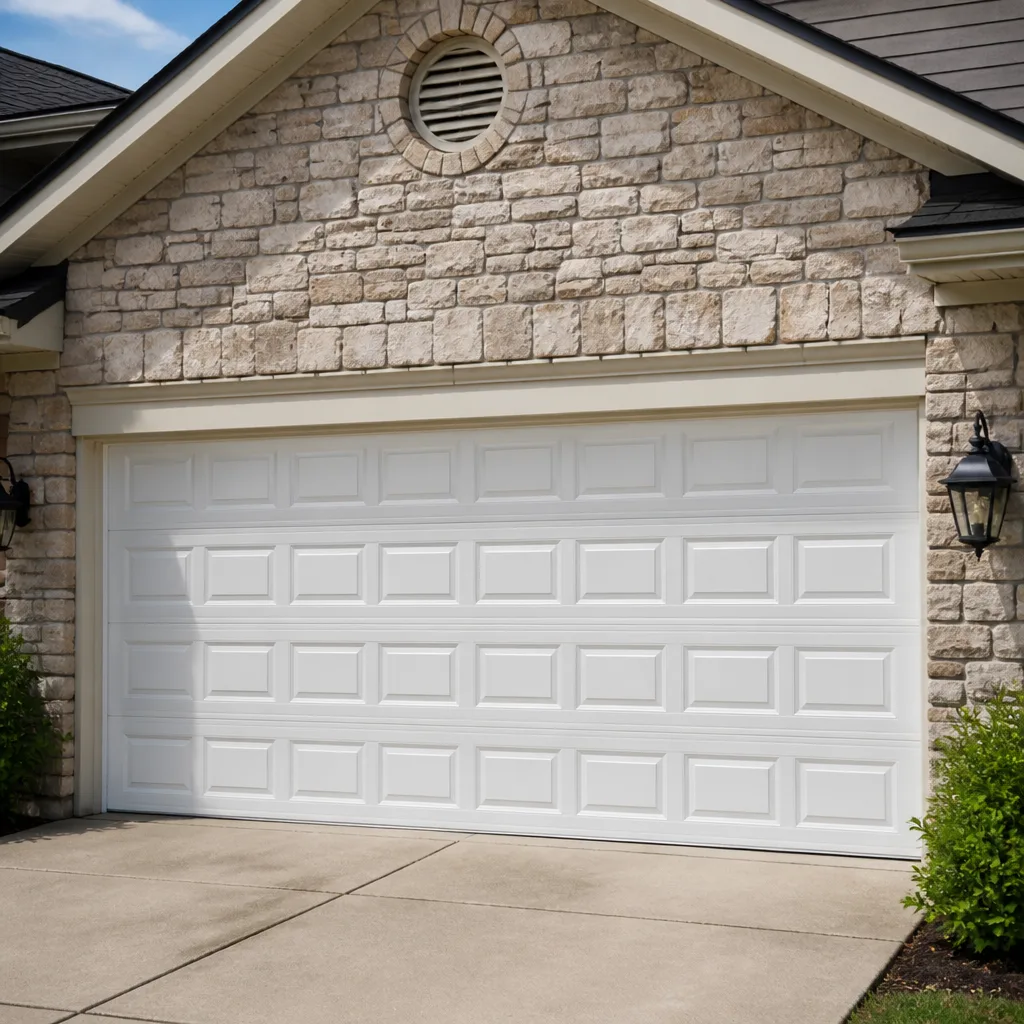 Raised-panel steel
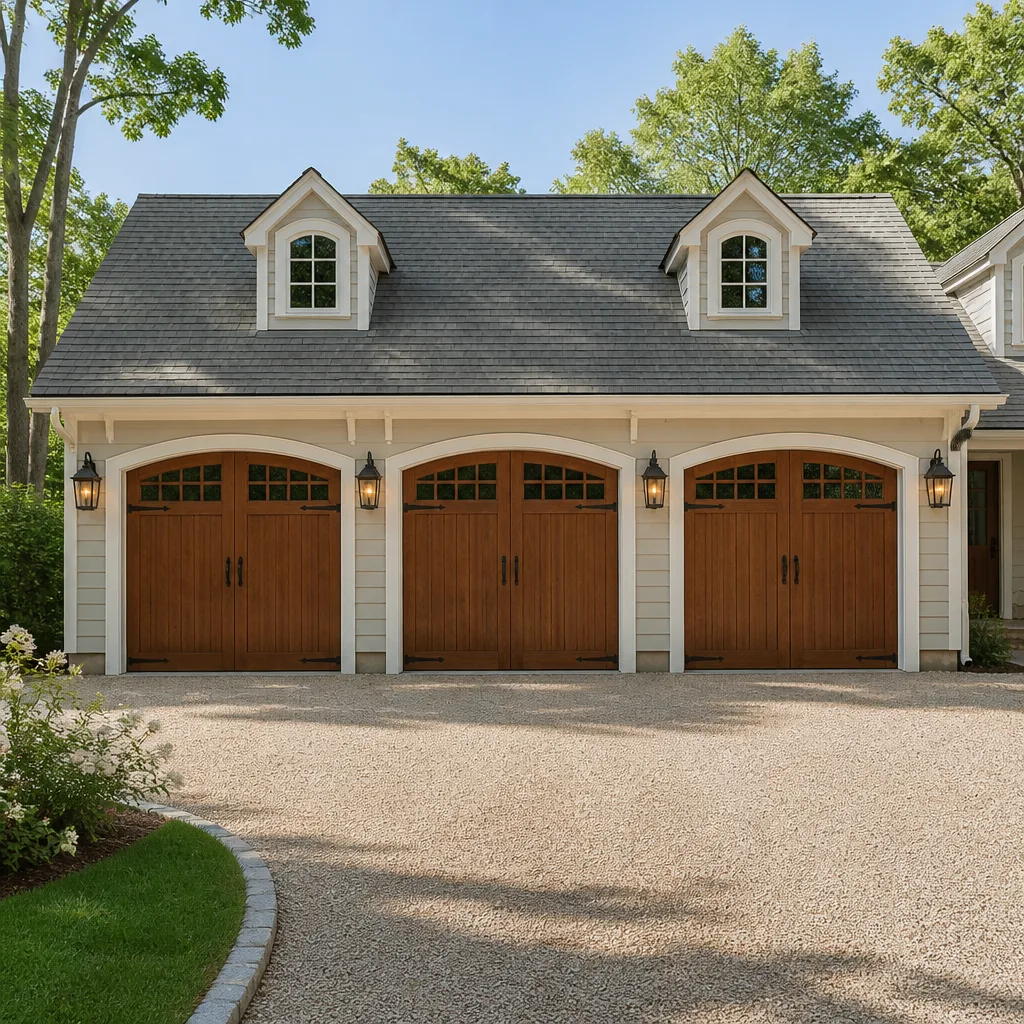 Carriage house
 Modern flush
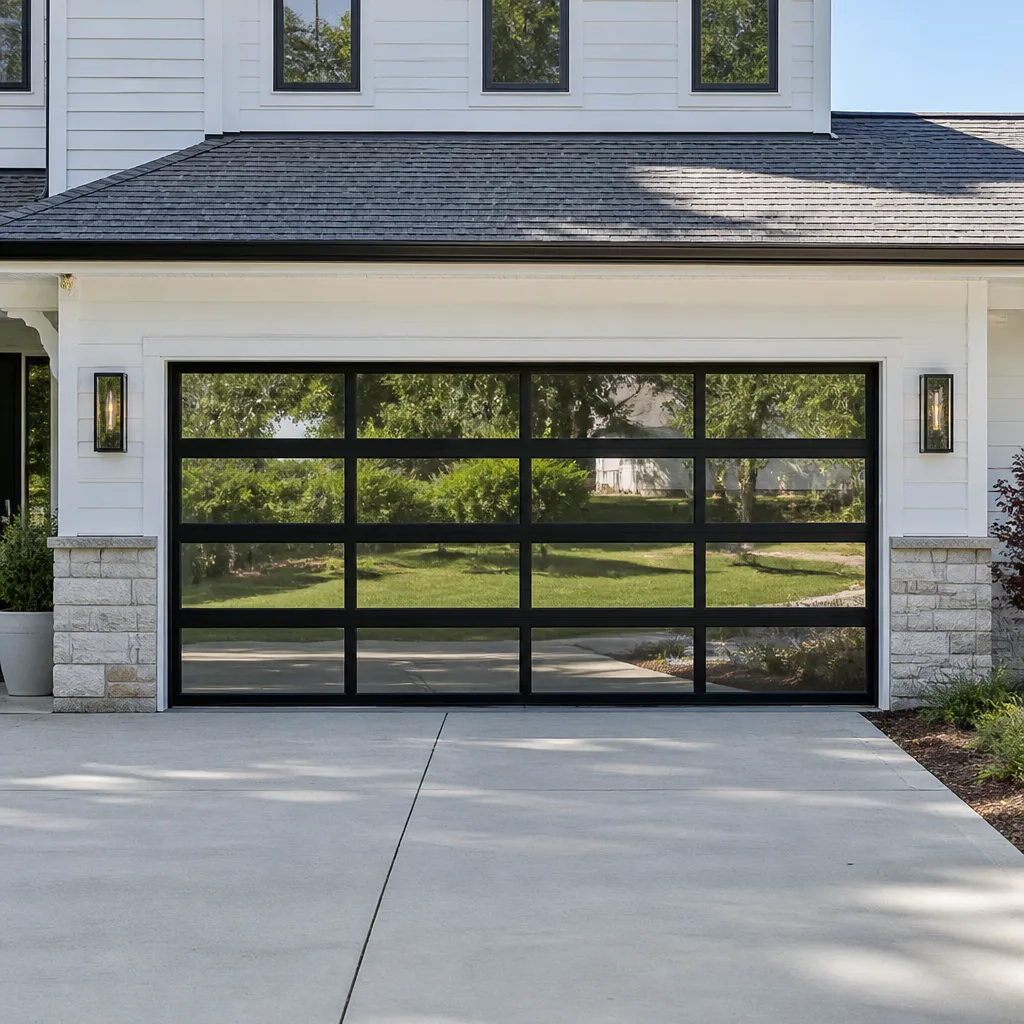 Full-view glass
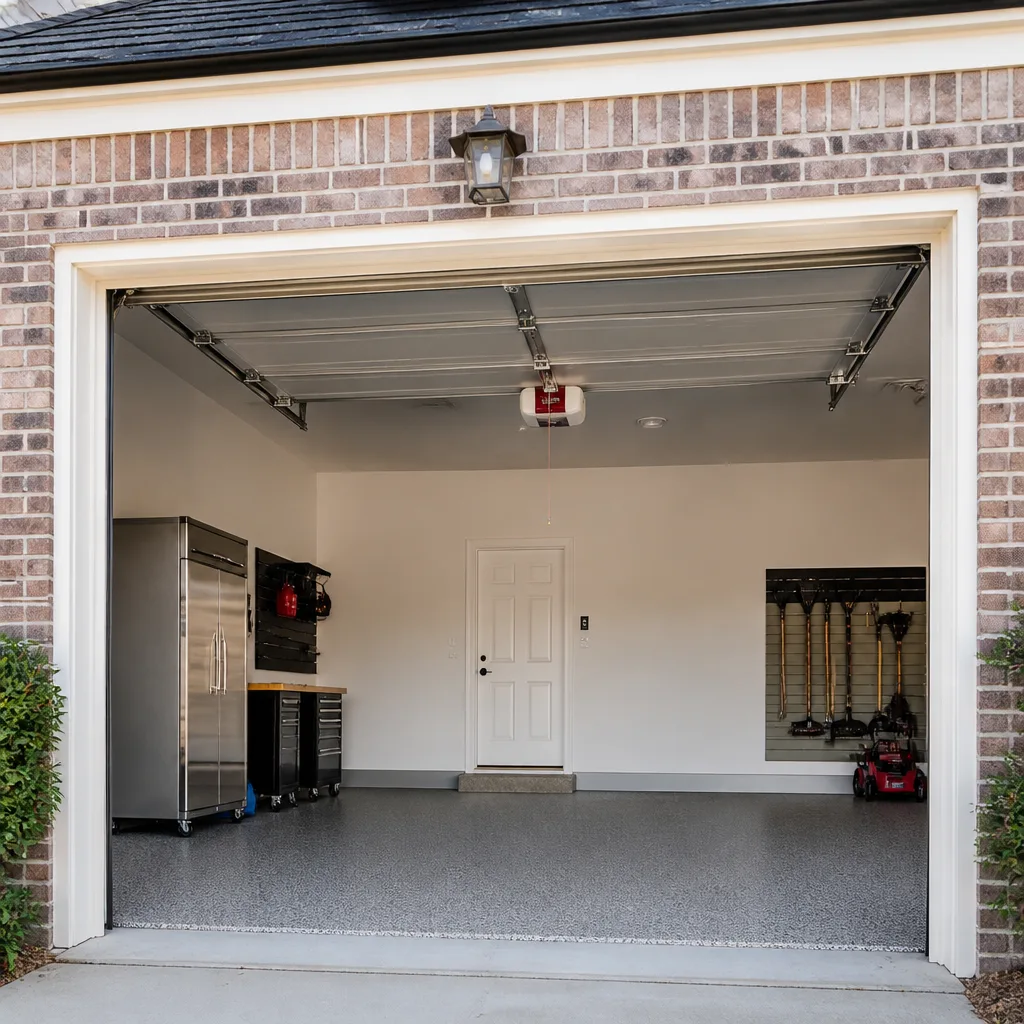 LiftMaster openers
 Chamberlain openers
Full 25-point door and opener safety check with every visit - springs, cables, rollers, tracks, and your LiftMaster or Chamberlain opener included
You get a price before we start. It does not change when the pro arrives.
Get your free estimateGarage Door Warning Signs: A Snell Isle Homeowner’s Reference Guide
A door that “just moves a little slow in the morning” in Snell Isle isn’t adjusting to the weather. It’s telling you a torsion spring is losing tension or a track roller is binding, and the distance between that quiet symptom and a door stuck on the hood of your car is shorter than most homeowners think. Garage doors rarely fail without notice. They telegraph trouble for weeks – sometimes months – through sound, rust, balance, and opener behavior. The trouble is that most of us read those signals as normal aging. This guide walks through every warning sign a Snell Isle door gives, what each one actually means, and how to tell a cheap repair from an expensive breakdown you could have avoided.
Quick Answer
Garage door warning signs in Snell Isle usually show up first as sound (grinding, popping, squealing), then as rust or white mineral deposits on hardware, then as balance problems where the door feels too heavy to lift by hand. If you catch these early, most failures are a simple adjustment or a single component swap. Ignore them, and a tired spring turns into a snapped spring or a burned-out opener motor – both far more expensive than the adjustment that started it all.
Styles & brands we work with
- Raised-panel steel
- Carriage house
- Modern flush
- Full-view glass
- LiftMaster openers
- Chamberlain openers
Table of Contents
- What the Seven Sounds Your Door Makes Actually Mean
- Rust Patterns: Cosmetic Versus Imminent Failure
- The 30-Second Door Balance Test
- Opener Behavior Changes Decoded by Brand
- Coastal Warning Signs Unique to Snell Isle Homes
- Visual Checks That Take Two Minutes
- Common Mistakes to Avoid
- When to Call a Professional
What the Seven Sounds Your Door Makes Actually Mean
Sound is the earliest and most ignored warning sign. Homeowners lump every garage door noise into “it’s just getting old,” but grinding, popping, and squealing point to completely different parts – and completely different repair costs. Here’s how we break them down.
- Grinding. Metal-on-metal scraping during travel almost always means a worn or seized roller, or a bent track section the rollers scrape against. Left alone, the roller’s stem shears or the track pulls loose from the frame.
- Popping. A sharp pop at the start or end of travel is a torsion spring under uneven tension, or a loose hinge plate snapping back into position. Popping springs are the single biggest predictor of a spring break, because the pop is the sound of tension releasing and re-catching.
- Squealing. High-pitched squeal tracks with dry or worn rollers and hinges. This one is usually the cheapest to fix – lubrication and a couple of rollers – so treat it as good news.
- Rattling. A loose panel, hinge, or bolt vibrating as the door runs. It’s the least urgent of the seven, but rattling accelerates wear by letting vibration loosen the next fastener.
- Banging or slamming. The door hitting the floor harder than it used to. That’s an opener limit setting that has drifted, and if you don’t reset it, the door impacts concrete thousands of times before something bends.
- Clunking from overhead. Listen above the door. A clunk during the first foot of travel means a torsion spring, shaft, or bearing plate is loose. This is the sound we most often hear just before a spring failure.
- Humming with no motion. The opener motor runs but the door doesn’t move. That’s a stripped gear, a broken drive belt, or a disconnected trolley – the opener is fine, the connection between it and the door isn’t.
Every one of these sounds can be diagnosed and fixed with a targeted garage door repair. What makes them dangerous is delay, not the sound itself.
Rust Patterns: Cosmetic Versus Imminent Failure
Not all rust is a problem. Some is a cosmetic annoyance on a steel door skin. The trouble is that rust also forms on load-bearing hardware, and it hides in the worst possible places. On Snell Isle doors, the difference between “wipe it off” and “replace it now” comes down to location, texture, and whether it appears where the part moves or flexes.
Cosmetic rust appears on flat door panels as an even orange-brown haze, usually near the bottom edge. It’s the paint film breaking down, and it doesn’t weaken the door. Sand and repaint and it’s gone.
Structural rust tells a different story. Look for these patterns:
- Orange-brown pitting on torsion springs. A spring’s wire has no paint window. Any visible rust means the wire is thinning, and a rust-weakened spring is a spring that’s about to snap. That’s not a repair – it’s a replacement, and it must be done by a technician trained for the tension involved.
- Rust bloom around cable ferrules and drums. Cables pull enormous force through a small swaged fitting at each end. Rust inside that fitting is the precursor to a cable snap that whips loose. Stop using the door and get it looked at.
- Rust along hinge joints and roller stems. The moving parts collect humidity and lose their lubrication. Eventually a hinge seizes and torques the panel it’s bolted to.
- Rust creeping under the bottom seal. Look below the door – if the bottom metal section shows rust around the seal’s mounting line, the seal has been trapping moisture against the steel.
If a spring, cable, drum, or hinge bolt shows red rust, treat it as a structural problem, not a cosmetic one. A technician can tell you exactly which parts are on borrowed time and which can wait. Springs are the highest-stakes component on any garage door, so leave spring diagnosis to a trained pro: this is the single most dangerous part of the whole system.
The 30-Second Door Balance Test
An out-of-balance door is a door that’s forcing your opener to do work it was never designed to do. The good news: you can check balance in thirty seconds with no tools and no risk – as long as you do it carefully and never let the door drop.
- Disconnect the opener. Pull the manual release cord (usually red) to release the trolley. This should disconnect the opener from the door entirely.
- Raise the door to waist height. Lift it by the bottom panel with one hand under the lower edge. Grip with fingers under, not between panels.
- Let go slowly. Don’t shove it up. Lift it to roughly half open, then release it gently and watch.
- Read the result. A balanced door stays put or drifts slightly. A door that drops hard toward the floor is under-sprung or has a broken spring. A door that rises on its own has too much spring tension or a track that’s out of plumb.
- Reconnect the opener. Reattach the release cord to the trolley before you run the opener again.
If the door fails the test, stop opener operation. A telling-weight door can burn out even a garage door opener repair faster than a properly balanced one, because the motor fights the door’s own weight on every cycle. The opener’s gear train, capacitor, and drive system all take the strain. In our experience, a door that fails the balance test is six to twelve months from a bigger bill if it isn’t corrected. And never, under any circumstance, try to adjust spring tension yourself. Springs on a residential door carry dangerous force, even when the door looks dead.
Opener Behavior Changes Decoded by Brand
Modern openers talk to you through their behavior and their error codes – and each major brand has its own dialect. Here’s how the brands we work on most often announce trouble.
- LiftMaster and Chamberlain. Both lines use similar MyQ-enabled logic and light/flash codes. A door that reverses partway down, then reverses again on the next try, is usually seeing a safety-sensor obstruction or a misaligned photo-eye. Repeated up-down-up cycling with no obstruction often points to a worn travel limit or a logic board that has drifted. Slower response after a power blink is usually a control board reset that never completed – unplugging for 30 seconds fixes it more often than people think.
- Genie. Genie units often flash the overhead light in a pattern when the safety reverse triggers, and a door that stalls mid-travel with a hum usually means the carriage has stripped or the chain has slack. Genie openers are also prone to mid-travel reversal when the up-force limit has been pressed into service to fight a failing spring.
- Raynor. Raynor’s openers frequently pair with Raynor doors, and a Raynor door that reverses in the middle of travel after years of smooth operation is usually a spring that’s lost tension, not an opener fault. We always check door balance before we touch a Raynor opener setting – otherwise we’re just resetting the symptom.
Error codes read differently across brands and model years, and a code that means “sensor blocked” on one unit can mean “motor overcurrent” on another. Read your manual, note the exact code, and let a technician decode it against your specific model. Guessing wastes time and money.
Coastal Warning Signs Unique to Snell Isle Homes
Doors in Snell Isle face conditions most warning-sign guides ignore. The combination of humidity, occasional salt-laden breezes, and warm temperatures shortens the life of seals and accelerates corrosion on hardware. Knowing what to look for locally can literally add years to your door.
White mineral deposits on hardware
Look at your springs, hinges, and drum assembly for a chalky white film that looks like dried salt or powder. That’s oxidation residue and mineral bloom from airborne moisture. It’s a call-warning sign – once you see it, the part is past the point where lubrication will save it. Clean and relube, and plan replacement in the near term.
Bottom seal shrinkage
The rubber weather seal along the bottom of a Snell Isle door shrinks faster than you’d expect because it’s exposed to year-round heat and humidity. A shrunk seal lets water and pests in, and the gap is also a warning sign that the bottom section is no longer sitting flat. Run a finger along the bottom edge – if the seal pulls away from the floor at any point, replace it.
Salt-pitted rollers and hinges
Roller wheels and hinge plates pick up tiny pits from airborne salt exposure. Pitted rollers grind, and grinding tracks wear off. Turn the door by hand and run a light over the rollers – any roughness you can feel is reason to swap them.
Beyond the hardware, watch how water behaves around the door after a heavy rain. If water runs toward the door opening, the slab or threshold pitch has likely shifted and the door is taking on load it shouldn’t. That’s the sort of thing we see often on Snell Isle properties, and it’s worth a technician’s eye even before hardware starts failing.
Visual Checks That Take Two Minutes
You don’t need to be a technician to catch early warning signs. These are the checks we walk Snell Isle homeowners through on every service call.
- Look across the door from the side. Stand at the edge and sight down the door’s length. Any gap where one panel sits higher than the next is a track out of alignment or a bent hinge.
- Check the vertical tracks for straightness. A plumb line is ideal, but a straight board laid against the track shows a bend just as clearly.
- Examine the torsion spring coils for gaps. Look at the spring wire as it spirals. Any rust, gap, or uneven coil spacing is a warning that spring failure is staging right now.
- Inspect the cables for fraying or kinks. Cables should run straight and clean. A kinked or frayed cable is a non-starter – stop using the door.
- Look for grease trails down the panels. Grease runs from the hinge line toward the floor is a sign a hinge has loosened, and it’s often the first visible evidence of vibration.
- Open the door by hand once every few weeks. A door that requires real effort to lift is failing the balance test long before you ever disconnect it.
If any of these turn up a problem, don’t wait for the next cycle. The whole point of an early warning sign is that it gives you time to schedule a proper garage door repair before the breakdown. And if a door fails outright, emergency service is what it says it is – call us, and we’ll treat it as the urgent situation it is.
Common Mistakes to Avoid
- Assuming “it’s just the heat.” Every Snell Isle homeowner at some point blames a slow, sticky door on local humidity. Springs lose tension and tracks corrode; heat alone doesn’t bend metal. Stop guessing and get it checked.
- Ignoring the balance test because “the opener works.” An opener that’s masking a failing spring is a motor designed for a 150-pound door dragging a 200-pound door every cycle. It will burn out – just on its own schedule.
- Replacing the opener when the door is the problem. Homeowners frequently buy a new opener to “fix” a slow door. If the door is out of balance or the tracks are binding, a new opener inherits the same strain. Diagnose the door first, then the opener.
- Using WD-40 as a track or hinge lubricant. It’s a solvent, not a long-term lubricant, and it strips the correct grease off the parts that need it most. Use a door-specific lubricant that stays where it’s applied.
- Treating red rust on springs as cosmetic. Rust on a torsion spring means the wire is thinning, and a snapping torsion spring is a serious injury risk. Stop using the door and call for a spring repair.
- Adjusting springs yourself. We can’t say this plainly enough: do not attempt to adjust, wind, or unwind a torsion spring. This is the single most dangerous task on the whole garage door, and it’s exactly where a trained technician earns their keep.
- Waiting for full failure before calling. The difference between a $189 spring repair and a full emergency service call is usually just one ignored warning sign. Call early, keep the repair small.
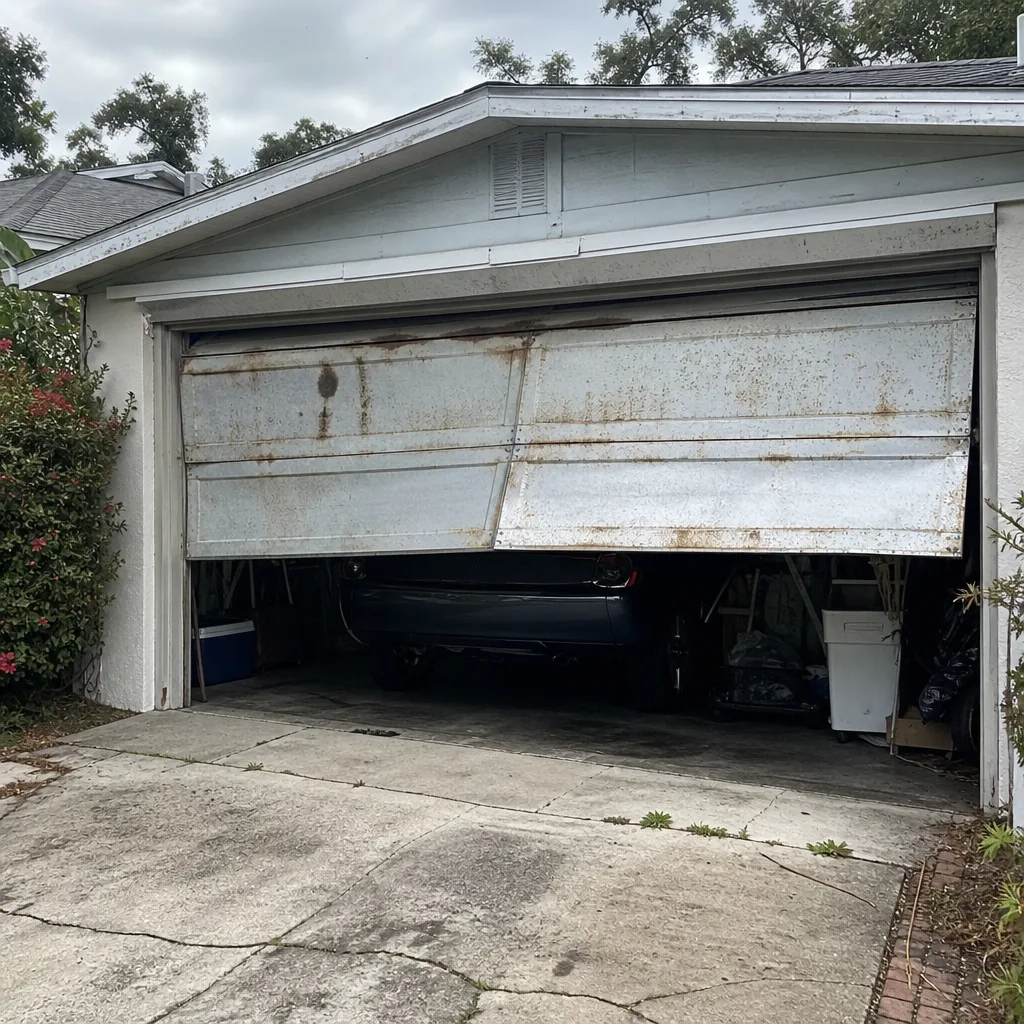
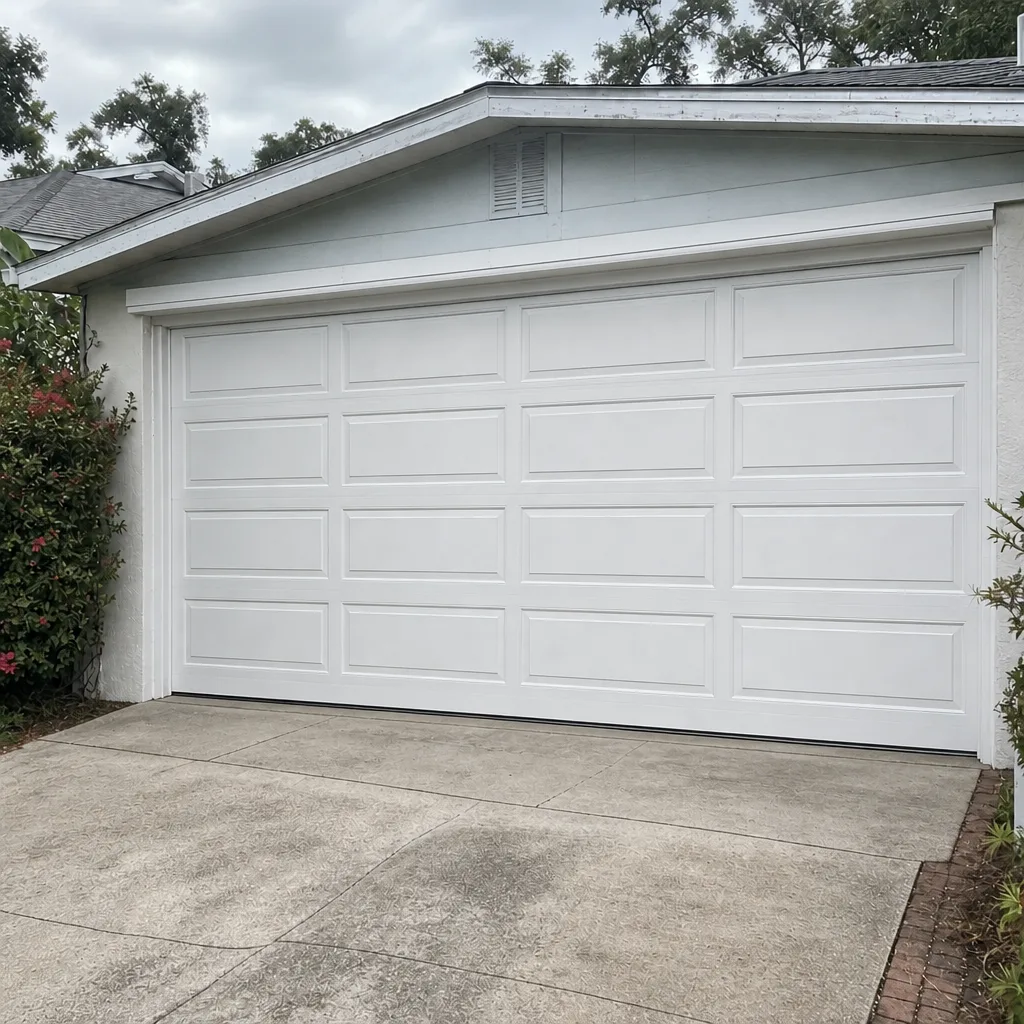
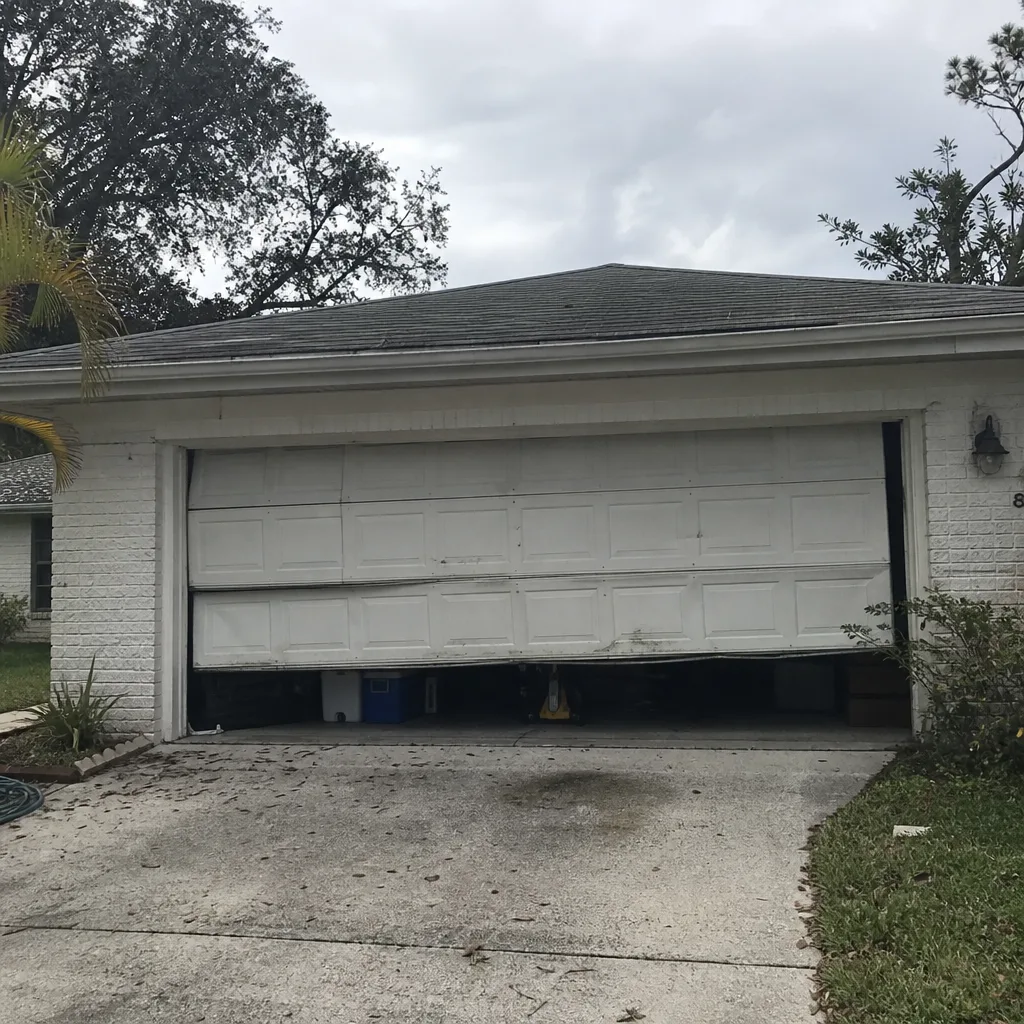
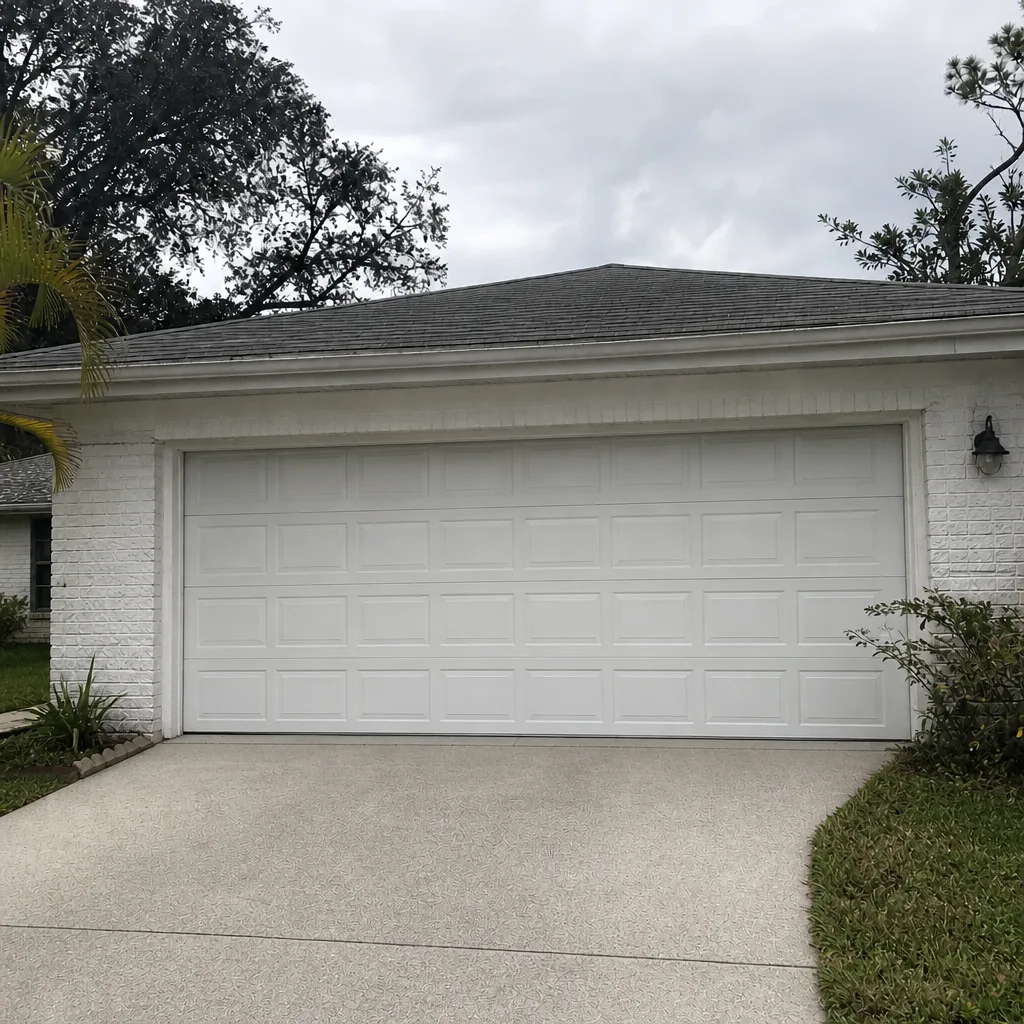
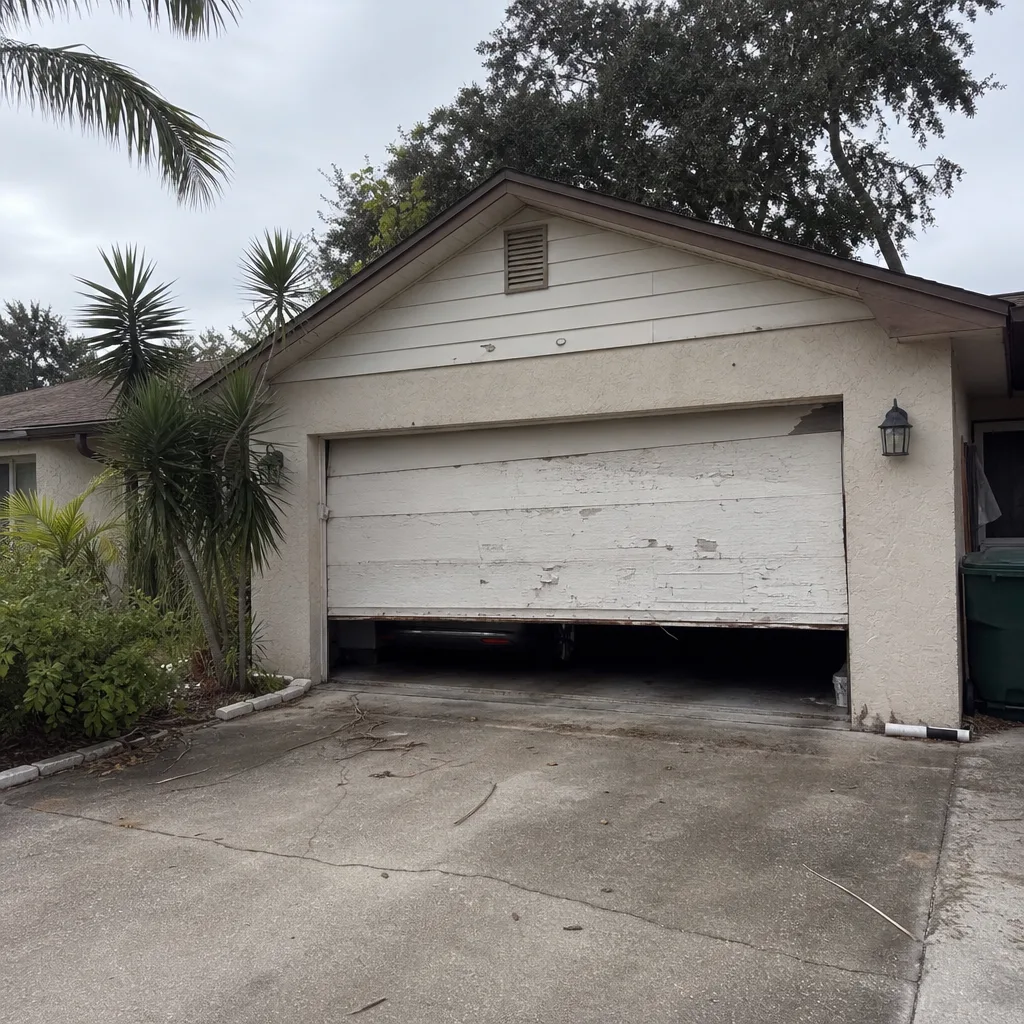
See the difference
 Before
 After
 Before
 After
 Before
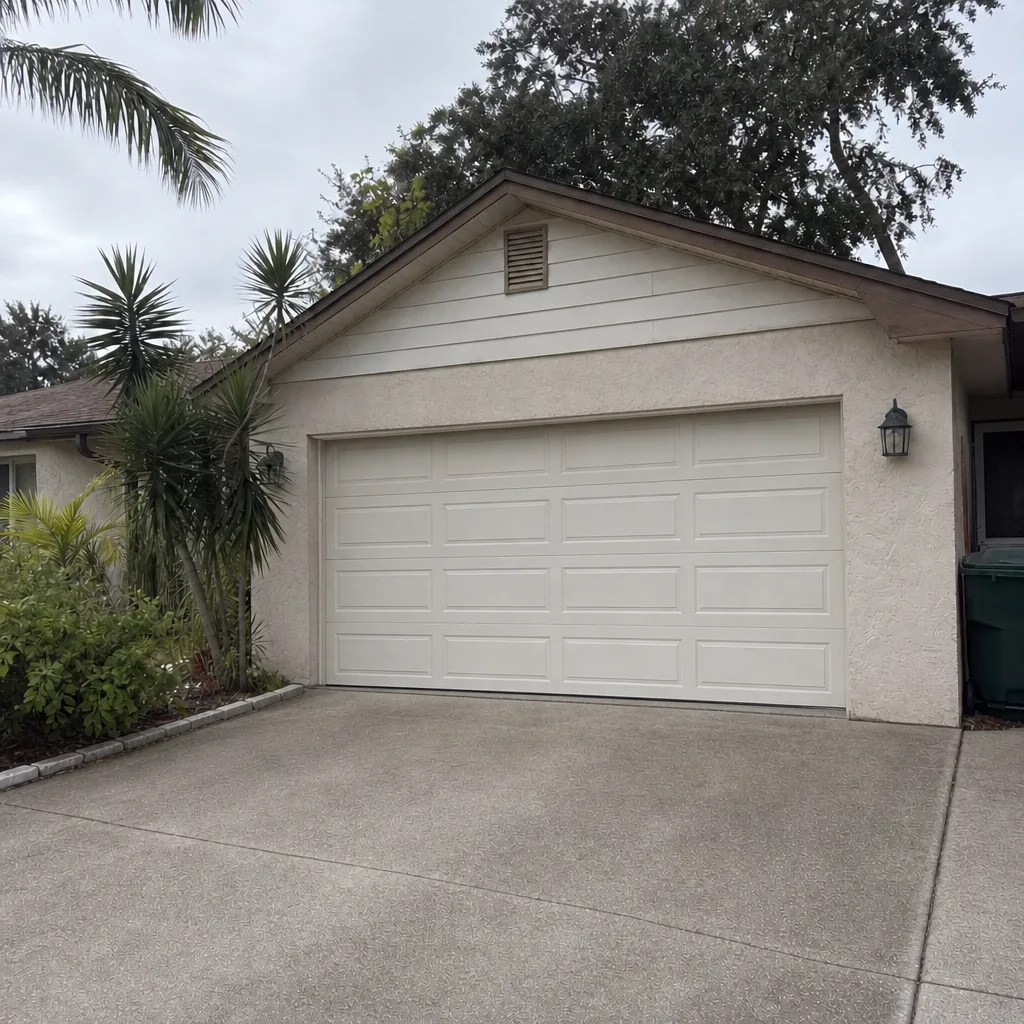 After
When to Call a Professional
Some jobs are genuinely DIY: lubrication, a wipedown of hardware, tightening a loose hinge plate. But if you see any of the following, call us before the next opener cycle. A door that drops hard during the balance test, a grinding or popping sound that’s worsening, red rust on spring or cable hardware, a frayed cable, a door that reverses mid-travel repeatedly, or any suspension of a vehicle that suggests the door has been out of alignment for a while. Garage Door Repair Snell Isle offers free estimates in Snell Isle – call (855) 337-1755. We bring trained technicians and the parts to handle the whole service, from opener glitch to full replacement.
Frequently Asked Questions
The most common are a grinding or popping sound, a door that fails the balance test, and white mineral bloom on the springs and hinges. Snell Isle doors also show bottom seal shrinkage and salt-pitted rollers faster than inland doors because of local humidity and airborne salt. Any one of these is a reason to have the door checked before something fails. Call (855) 337-1755 for a free estimate.
Most torsion spring repairs run between $180 and $340 per spring, with the exact price set by the written estimate before any work starts. A matched pair replaced together costs roughly twice that. If a technician tells you a pair is needed, that’s normal – paired springs age together. Call (855) 337-1755 to get an exact quote.
For repair and emergency calls, yes – we schedule same-day service and dispatch fast between 7am and 7pm. A stuck door, a snapped spring, or a door that won’t secure is treated as the urgent situation it is. For new installations, we measure and take a written estimate first, then schedule the install. Call (855) 337-1755 and we’ll confirm what’s available.
No, the written quote sets the price. We quote after we’ve inspected the door and identify the specific parts and labor needed, and we don’t begin work until you’ve agreed to the number. If we find an additional issue mid-repair, we stop and talk to you before we proceed.
The local pros we connect Snell Isle homeowners with are licensed and insured as their state requires. Our technicians have up to 12 years of experience, and they’re trained on every major door and opener brand – LiftMaster, Chamberlain, Genie, Clopay, Amarr, Wayne Dalton, Craftsman, and Raynor – so your existing system is covered. Call (855) 337-1755 for an exact quote.
Mid-travel reversal almost always means the safety reverse system is detecting resistance – a misaligned photo-eye, an obstruction in the door’s path, or an up-force setting that’s been masking a failing spring. On Raynor, LiftMaster, and Genie units we see this most often when the door has lost balance and the opener’s limits have compensated. Stop running the door and get it checked. Call (855) 337-1755.
The Bottom Line
Snell Isle garage doors give plenty of notice before they fail. A pop from the torsion bar, a slow drift toward the floor on the balance test, red rust on a spring, a sluggish opener response – these are all messages, not background noise. Catch them early and the repair is usually a single component or a routine adjustment. Ignore them and you eventually pay for a spring replacement, an opener repair, or a full new door. If you want a professional walkthrough of everything this guide covers, or a free on-site estimate, we can help. From opener glitch to full replacement, diagnosed right and fixed right the first time.
Ready for a free estimate? Call Garage Door Repair Snell Isle at (855) 337-1755 – we’ll walk the whole system with you, flag what’s cosmetic, and tell you what actually needs attention.
Written by the team at Garage Door Repair Snell Isle.