Last updated November 22, 2026
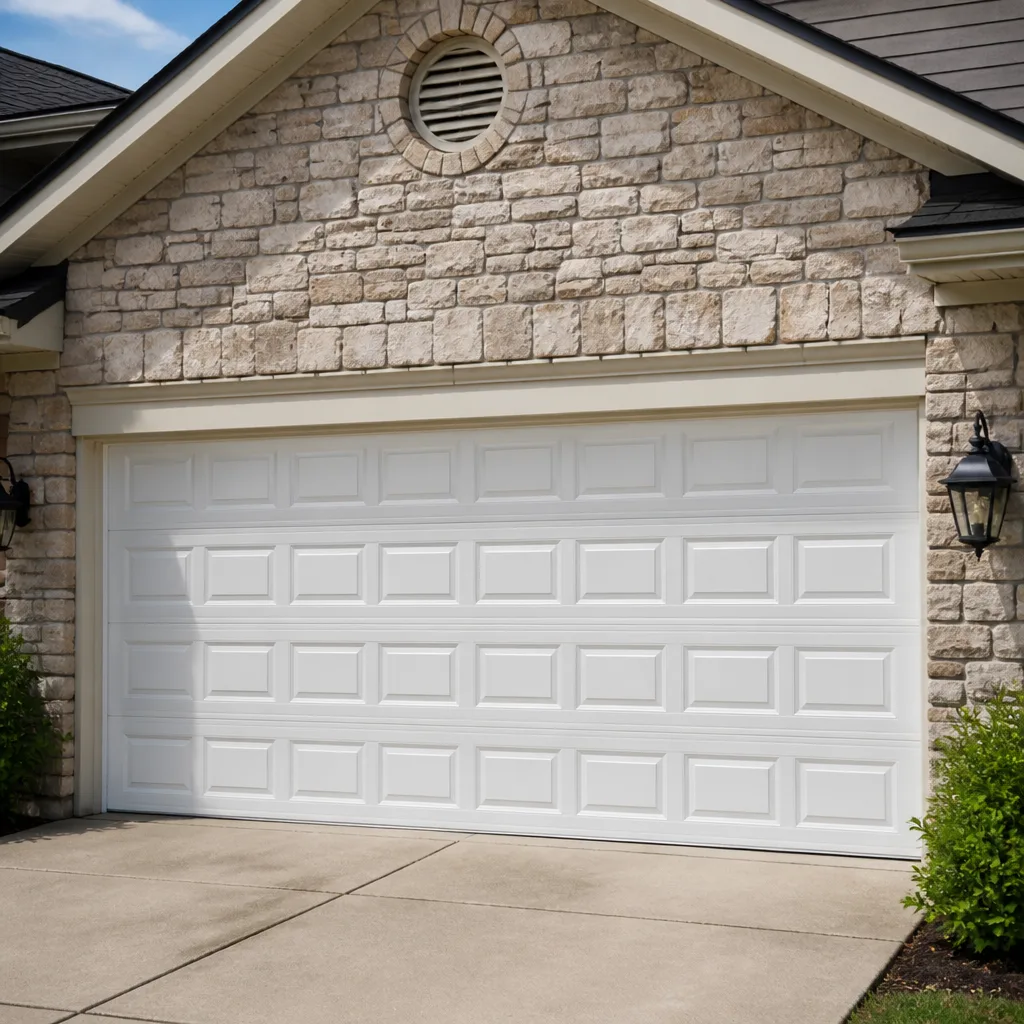 Raised-panel steel
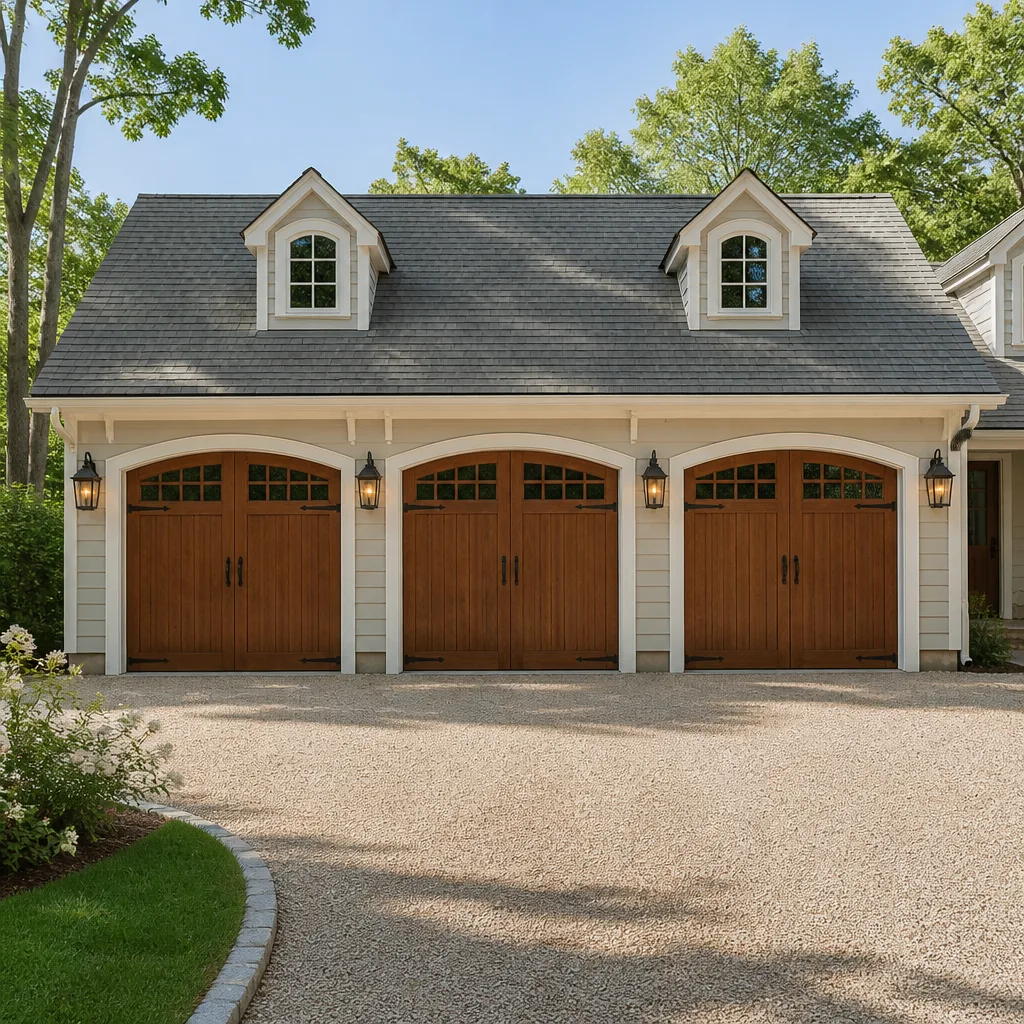 Carriage house
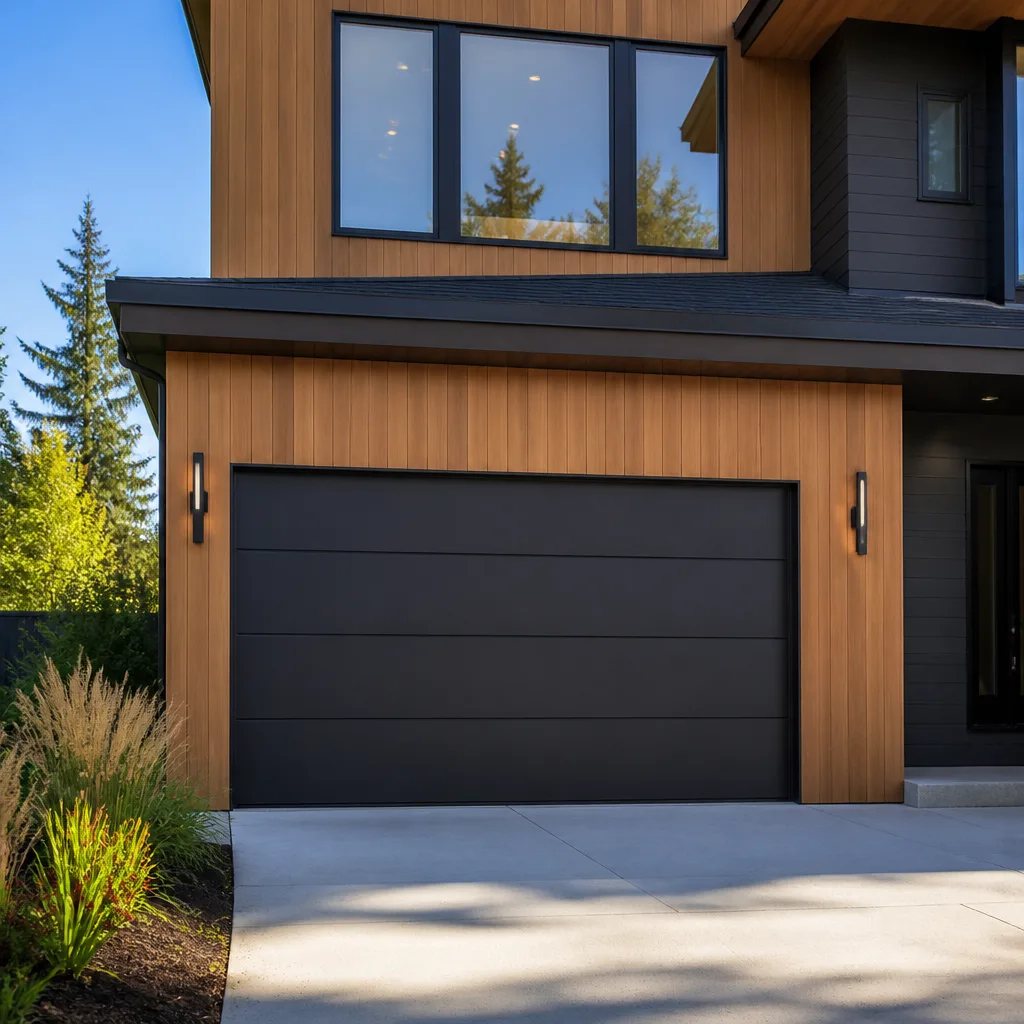 Modern flush
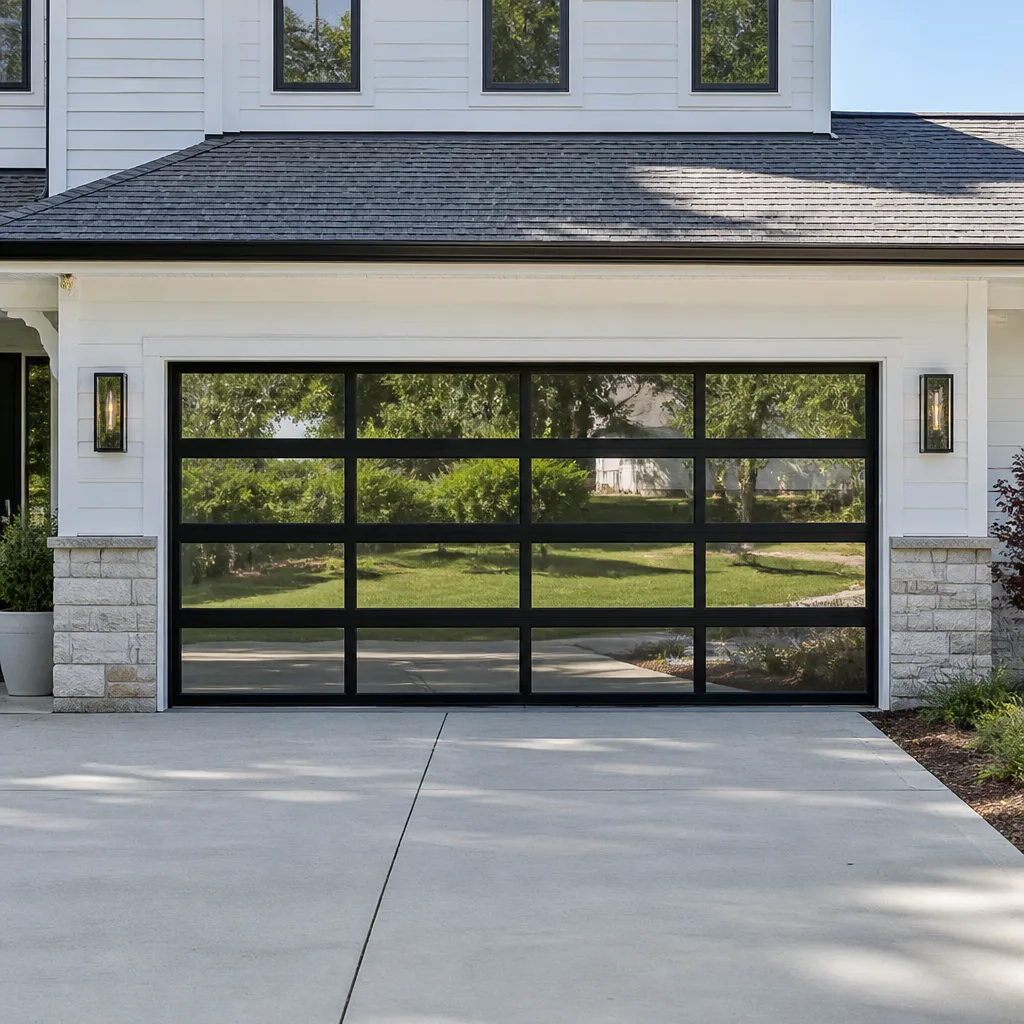 Full-view glass
 LiftMaster openers
 Chamberlain openers
Full 25-point door and opener safety check with every visit - springs, cables, rollers, tracks, and your LiftMaster or Chamberlain opener included
You get a price before we start. It does not change when the pro arrives.
Get your free estimateGarage Door Permits, Codes & Inspections in Snell Isle, FL: What You Need to Know
If a contractor tells you a full garage door replacement in Snell Isle doesn’t need a permit, that’s your cue to find a different contractor. Pinellas County requires permits for replacements that change a door’s wind load rating, and that covers most modern replacements on the island. Most homeowners never ask about permits until a buyer’s inspector or an insurance adjuster does, and by then the paperwork matters more than the door. This guide walks through exactly when a permit is required in Snell Isle, how Florida Product Approval works, what inspectors actually check, and why the paperwork is worth more than the sticker price.
Quick Answer
In Snell Isle, a garage door replacement that changes wind load rating, door size, or opening configuration usually requires a Pinellas County building permit, while like-for-like repairs and opener swaps typically don’t. The door’s Florida Product Approval number, correct installation per the manufacturer’s instructions, and both a rough-in and final inspection are what inspectors verify. Skipping any of that creates problems at resale and during insurance claims, even when the door itself works fine.
Styles & brands we work with
- Raised-panel steel
- Carriage house
- Modern flush
- Full-view glass
- LiftMaster openers
- Chamberlain openers
Table of Contents
- When does Pinellas County require a permit for garage door work?
- When is garage door work genuinely exempt?
- What is a Florida Product Approval number, and why does it matter?
- What is a Wind-Borne Debris Region, and does Snell Isle fall inside it?
- Rough-in vs. final inspection: what gets checked and what fails
- How unpermitted work affects insurance claims and Florida disclosure
- Florida Building Code minimums vs. what fits Snell Isle’s wind exposure
- Common mistakes to avoid
- Frequently asked questions
When does Pinellas County require a permit for garage door work?
Pinellas County requires a building permit for any garage door replacement that changes the door’s design pressure rating, its size, or the way it attaches to the opening. In practice, that means almost every full replacement on a Snell Isle home built before the current code cycle. Pinellas County sits inside a Wind-Borne Debris Region, and a garage door is classified as a structural opening, so replacing one is treated as a structural change, not cosmetic work. The permit exists to confirm the new door meets the wind load the house was designed for, and that the installation matches the manufacturer’s published instructions.
Replacement is not repair, and the line between the two matters here. Swapping a broken panel, replacing rollers, restringing a torsion spring, or fixing a sagging track is generally repair work and doesn’t trigger a permit. A new door, a new operator with a different drive or control head, or a change in opening dimensions does. If you’re unsure where your job falls, the honest answer is to ask the county’s building department directly before authorizing the work. That single phone call saves weeks of paperwork later.
The permit itself is not the expensive part – the inspection and the documentation are what catch most Snell Isle homeowners off guard. A permitted job produces an inspection record attached to your property file, which is exactly what an insurance adjuster looks for after a storm claim. An unpermitted door still works, but the file doesn’t show it was installed to code.
If your door is broken today and a full replacement is weeks away, Garage Door Repair Snell Isle handles repair jobs that keep a non-compliant door functional while the permit and product order catch up.
When is garage door work genuinely exempt?
Repair and maintenance of existing garage door hardware generally doesn’t require a permit in Pinellas County. That’s a wide category, and it covers more than most homeowners expect. Understanding where the exemption ends is what keeps a routine repair from quietly becoming an unpermitted replacement.
Work that usually doesn’t need a permit
- Replacing broken or dented panels without changing the opening’s size or design pressure rating
- Replacing torsion or extension springs, cables, drums, or hinges (springs are dangerous – see the safety note below)
- Swapping a garage door opener for a like-for-like model with the same drive type and control setup
- Straightening or replacing bent track sections
- Replacing rollers, weatherstripping, or bottom seals
Work that typically requires a permit
- Full door replacement, including same-size swaps if the design pressure rating changes
- Any change to door dimensions or opening configuration
- Installation of a new door on a home that didn’t previously have one
- Structural repairs to the header or the framing the door attaches to
- A new opener that changes the control wiring or adds a battery backup on a permitted system
A word on spring work. Torsion springs store enormous energy, and a mistake during replacement can cause serious injury or damage. We handle spring repairs regularly and we still treat every one as a job for a trained technician – never a homeowner project. If your door has a snapped spring, don’t run it manually while you wait for a decision on repairs or replacement.
Opener questions land in a gray area that trips people up. Replacing a burned-out motor with the same model and wiring is a repair. Adding battery backup or changing to a belt drive from a chain drive is usually treated as a new installation. A specialist can tell the difference immediately. Our garage door opener repair work covers every major brand, from LiftMaster and Chamberlain to Genie and Craftsman, so there’s no need to hunt down a brand-matched contractor for the opener side of the job.
What is a Florida Product Approval number, and why does it matter?
A Florida Product Approval number is a code-assigned identifier for a specific product tested to meet Florida Building Code requirements. Every exterior opening product sold in Florida, including garage doors, must carry one. The number looks like “FL” followed by digits, and it appears on the door’s label, in the manufacturer’s installation instructions, and in the state’s online Product Approval database. If someone installs a door on your Snell Isle home without a valid Approval number, the installation can’t be legally permitted.
How to verify a Florida Product Approval number
- Ask your contractor for the door’s Product Approval number before anything is ordered.
- Check the state’s Product Approval database directly – the record should match the door model, size, and design pressure.
- Confirm the number on the label attached to the door when it arrives on site.
- Cross-check the number against the permit application before the inspection.
- Keep a copy of the label and the approval record with your home’s maintenance file.
Why does a Snell Isle homeowner care? Because the Approval number is what ties the physical door to code compliance at the moment an inspector arrives. If the number is missing, mismatched, or expired, the final inspection fails and the door must be replaced or re-permitted. That’s a five-figure problem in the worst case and a billing headache in the best one.
Brands we see most often on permitted Snell Isle installations – Amarr, Wayne Dalton, Clopay, Raynor – each publish Approval records by model and size. The number isn’t universal across a brand; it’s specific to the exact door you’re installing. Ask for it in writing. That number is the door’s passport through the county process.
What is a Wind-Borne Debris Region, and does Snell Isle fall inside it?
A Wind-Borne Debris Region is a Florida code designation for areas at elevated risk of wind-borne storm debris, and Snell Isle sits inside the Pinellas County designation. The practical effect is that the garage door must meet a higher design pressure rating than the same door would in an inland county. Product Approval numbers are tied to those ratings, so a door approved for one region isn’t automatically approved for another. Installation instructions and fastener schedules are also part of the regional compliance – the same door hung with different anchors can fail the approval.
The code requirement and the real risk aren’t the same thing. Florida Building Code minimums set the floor that a permitted door must meet. What’s actually appropriate for a specific Snell Isle home depends on the exposure of the opening, the surrounding structures, and how the home’s envelope was originally designed. South-facing openings with no windbreak are a different proposition from a protected interior-lot door. A Specialist – not a code minimum – is the right frame of reference.
That’s the part most contractors don’t discuss. A minimum-code door will pass inspection and will usually hold up. A door spec’d one step up on design pressure and fastener pattern costs a little more and tends to age better through Florida’s storm season. In our experience, Snell Isle homeowners who ask about the design pressure on the door – before signing a contract – get better long-term results than ones who only ask about price.
One thing to keep straight: “hurricane-rated” is a marketing phrase, not a code term. What matters is the Product Approval number, the design pressure rating, and the installation instructions. Those three pieces line up on paper and on site. When they line up here, the county inspection usually passes on the first visit.
We’re also asked whether other door work triggers the same scrutiny. Structural additions or rebuilds can require a new opening and a new design pressure calculation, which is a full-permit scenario. Simple repairs on existing doors usually aren’t. Our garage door repair team can walk you through which side of that line your job falls on.
Rough-in vs. final inspection: what gets checked and what fails
A garage door replacement in Pinellas County typically involves two inspections – a rough-in and a final. The rough-in happens after the opening is prepared and the door hardware is in place but before the door is fully operational. The final happens once the door is complete and working. Both are performed by county inspectors, and both follow a specific checklist that most homeowners never see.
What the rough-in inspection checks
- Framing and header condition where the door attaches
- Fastener placement and type per the manufacturer’s installation instructions
- Door label and Product Approval number still readable and matching the permit
- Opening dimensions and clearances consistent with the permit application
- Whether any structural alteration changed the opening’s design basis
What the final inspection checks
- Door operation, balance, and safety reverse function
- Weatherstripping and perimeter seals in place
- Confirmed Product Approval number and label match on the installed door
- Track, rollers, and spring condition consistent with a new install
- Any opener control elements present and functioning per code
The most common reasons a Snell Isle inspection fails
- Product Approval label removed or painted over before inspection
- Fastener schedule deviating from the manufacturer’s instructions
- Mismatch between the door ordered and the one shown on the permit
- Missing safety reverse or photo-eye function on a permitted opener
- New opening sized slightly differently than the permit application
None of those failures had anything to do with how well the door actually works. That’s the point of the inspection – it verifies paperwork and installation against the code, not just whether the door goes up and down. A specialist who’s been through the process on Snell Isle knows what each inspection looks for and builds the installation to pass the first time. For full replacements, our garage door installation work runs alongside the permit process from the start, rather than catching up after the fact.
How unpermitted work affects insurance claims and Florida disclosure
Unpermitted garage door replacement in Snell Isle creates real problems on two fronts: insurance and resale. Both are slow-moving problems that surface months or years after the door is installed, and both come back to the person who signed the contract. Insurance carriers care because the door is part of the wind-resistive envelope of the home. A door that can’t be shown to meet the design pressure rating for its region can be denied coverage on that portion of a claim, or worse, flagged as a non-compliant system at renewal.
What happens at claim time
- Adjusters request permit records and final inspection documentation as part of the claim file
- Coverage applies to the door only if it matches the property’s code-required envelope
- Missing records can delay a claim while the carrier investigates
- Non-compliant work can be excluded from coverage on that item
What happens at resale
- Florida sellers are required to disclose known unpermitted work on the property
- Buyers’ inspectors routinely flag missing permits during due diligence
- Unpermitted work can become a negotiating point, or an appraisal problem
- Getting retroactive approval after the fact is possible but not guaranteed
None of this is dramatic, and none of it happens overnight. The door will work fine. The friction tends to arrive at the worst possible moment – the middle of a claim, or the last week of a closing – when the paperwork is exactly what’s being asked for. A permitted Snell Isle replacement quietly eliminates all of it.
If you’re reviewing whether existing doors on a home you’re buying or selling were permitted, the inspection record is the fastest way to know. Ask for it directly. If the county has no record, assume the door wasn’t permitted until you can prove otherwise.
Florida Building Code minimums vs. what fits Snell Isle’s wind exposure
Florida Building Code sets a minimum for any permitted garage door in a Wind-Borne Debris Region. Meeting that minimum is required, not optional. Living up to Snell Isle’s actual exposure is a separate question, and it’s where most of us who work on the island spend more of the conversation. Code minimums are calculated for the broad region; Snell Isle’s specific lot placement, surrounding structures, and opening orientation mean the right door for one home isn’t automatically the right door for the next.
In our experience, three factors move the needle most on a Snell Isle job:
- Opening exposure – doors facing long open runs hold up differently than doors shaded by a neighboring structure
- Design pressure rating – stepping up one rating level from code minimum is a modest cost increase relative to a full replacement and provides margin over the code floor
- Installation quality – the same door hung with the wrong fasteners or missing reinforcement can underperform a lesser door installed correctly
We’ve seen doors rated well above code minimum fail earlier than expected because the anchor schedule was shortcut during installation. We’ve also seen modest doors hold up beautifully through a decade of storm seasons because the installer followed the manufacturer’s instructions to the letter. The point isn’t to upsell a door – the point is that the number on the door’s Product Approval record is only as good as the installation behind it.
Brands like Wayne Dalton and Raynor offer doors at multiple design pressure ratings, which means a Snell Isle homeowner can compare code-minimum and one-step-up options on the same model line. Amarr publishes similar tiered ratings. That comparison is the conversation worth having before you sign a contract – not after the door is ordered. Understanding the brands we work on, from LiftMaster and Chamberlain to Clopay and Craftsman, makes that comparison straightforward.
One more piece for context: Pinellas County’s code review process for a garage door replacement is typically straightforward. The bottleneck is usually product order lead time, not the permit itself – which is why a full replacement is measured, ordered, and scheduled rather than rushed. If you’re replacing a door after storm damage, ask for the free measure and a written price so you can plan around the lead time without being bounced between contractors.
Common Mistakes to Avoid
- Assuming “same-size swap” means no permit. If the design pressure rating changes, even a same-size door needs a permit. Most modern replacements change that rating.
- Ordering the door before the permit application is filed. The permit drives the Product Approval number and fastener schedule; the door order follows, not the other way around.
- Letting the installer paint over or remove the product label. The label is what connects the door to its Approval number at inspection. Painting over it fails the inspection.
- Skipping the final inspection to save a day. An open permit on file blocks future permits on the same property until it’s closed – including a future door replacement.
- Believing “hurricane-rated” is the code requirement. It’s marketing language. The design pressure rating and Product Approval number are the code terms, and they don’t always align with what a sales call says.
- Treating rough-in inspection like a formality. Most inspection failures on Snell Isle replacements trace back to the rough-in stage, not the final – the framing and fastener work.
- Never asking for the permit record at resale. Florida requires disclosure of known unpermitted work, and buyers’ inspectors ask for the record. The fastest way to avoid a closing surprise is to have it on file.
See the difference
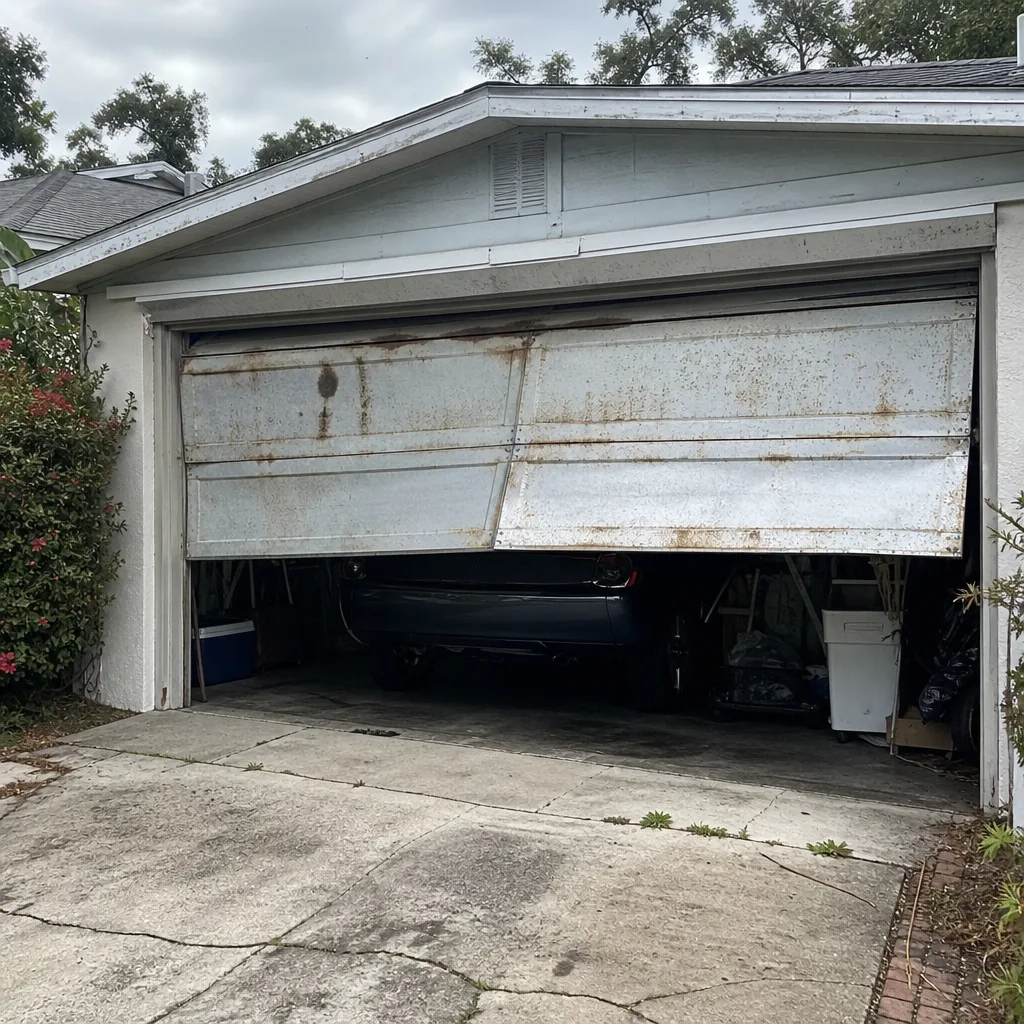 Before
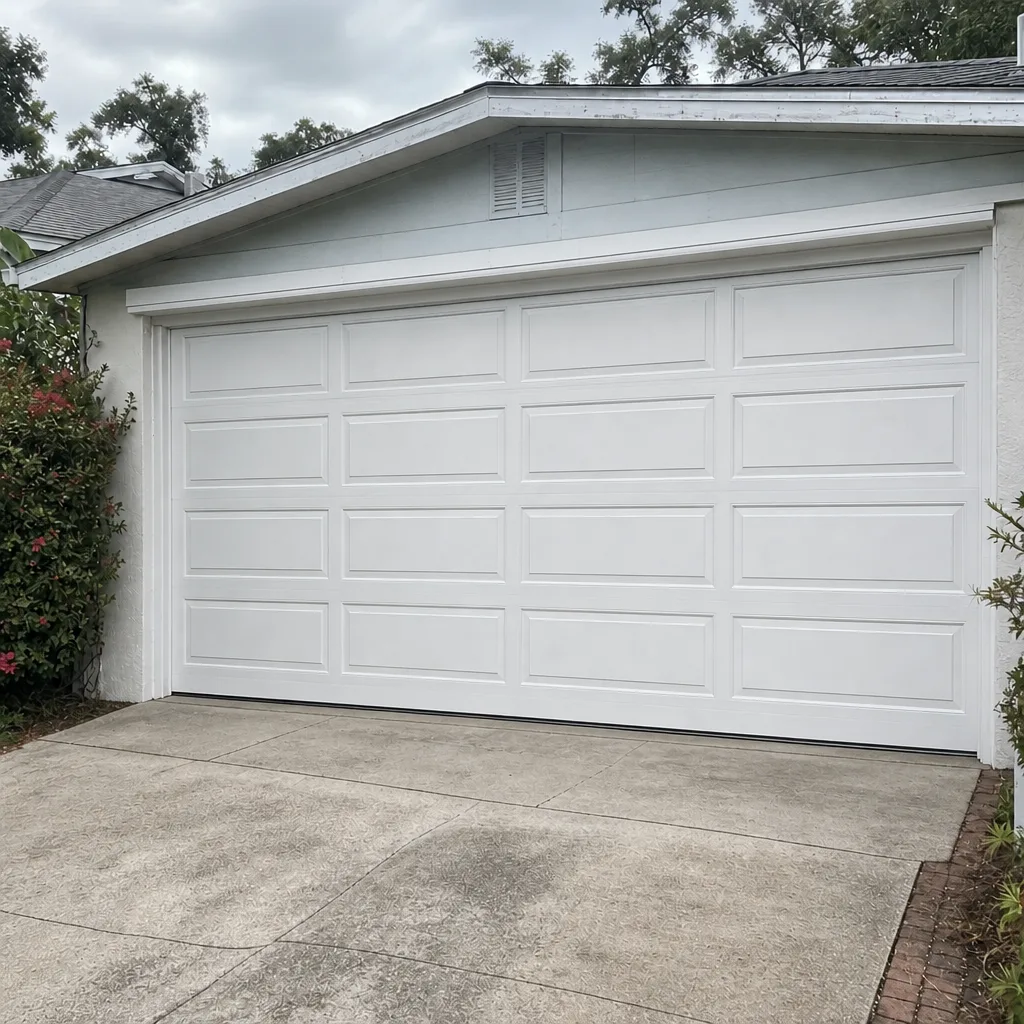 After
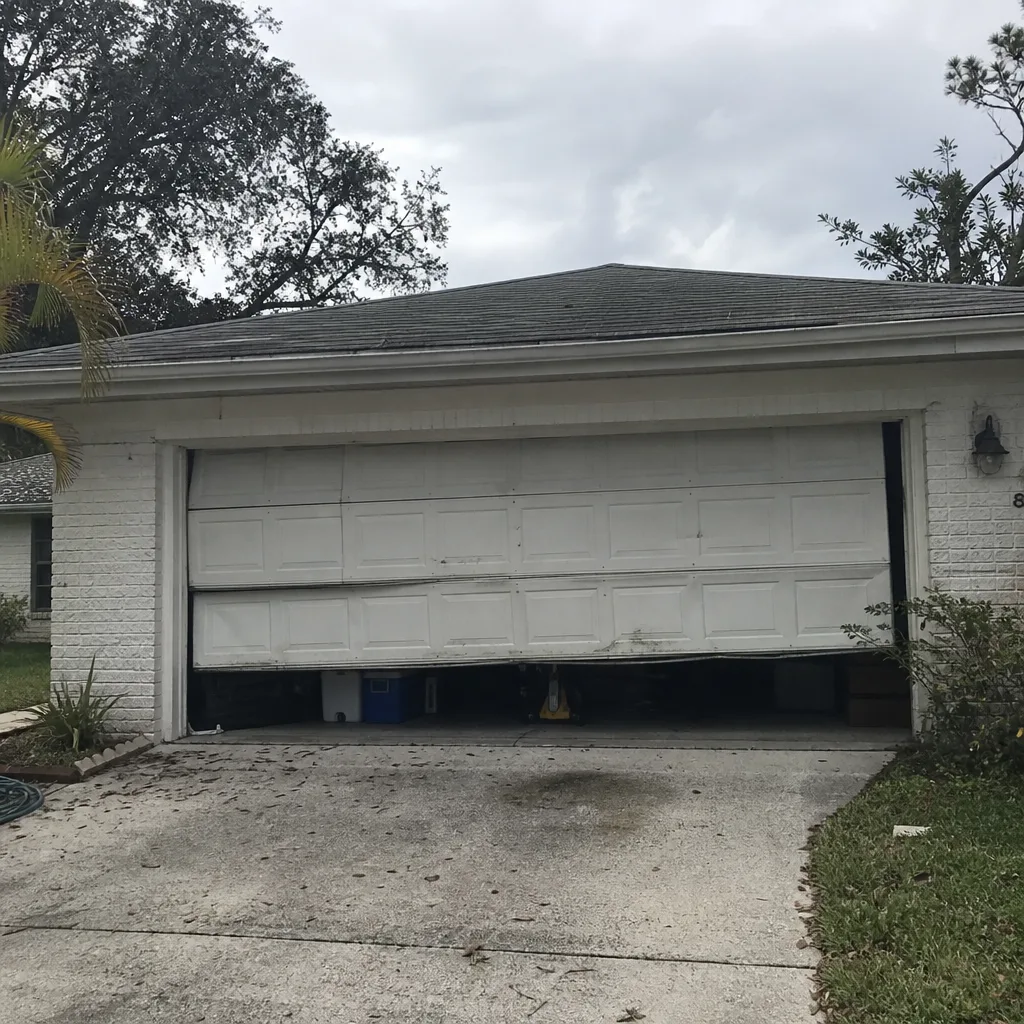 Before
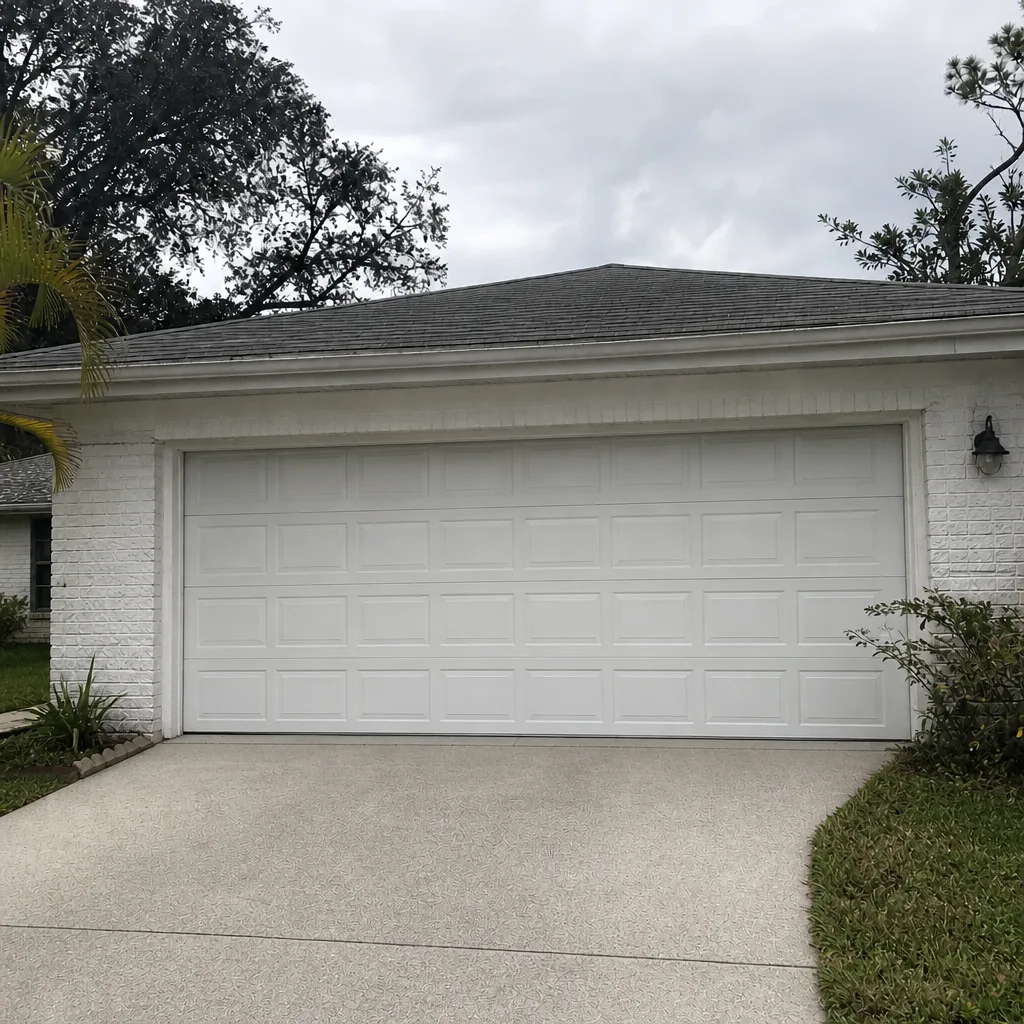 After
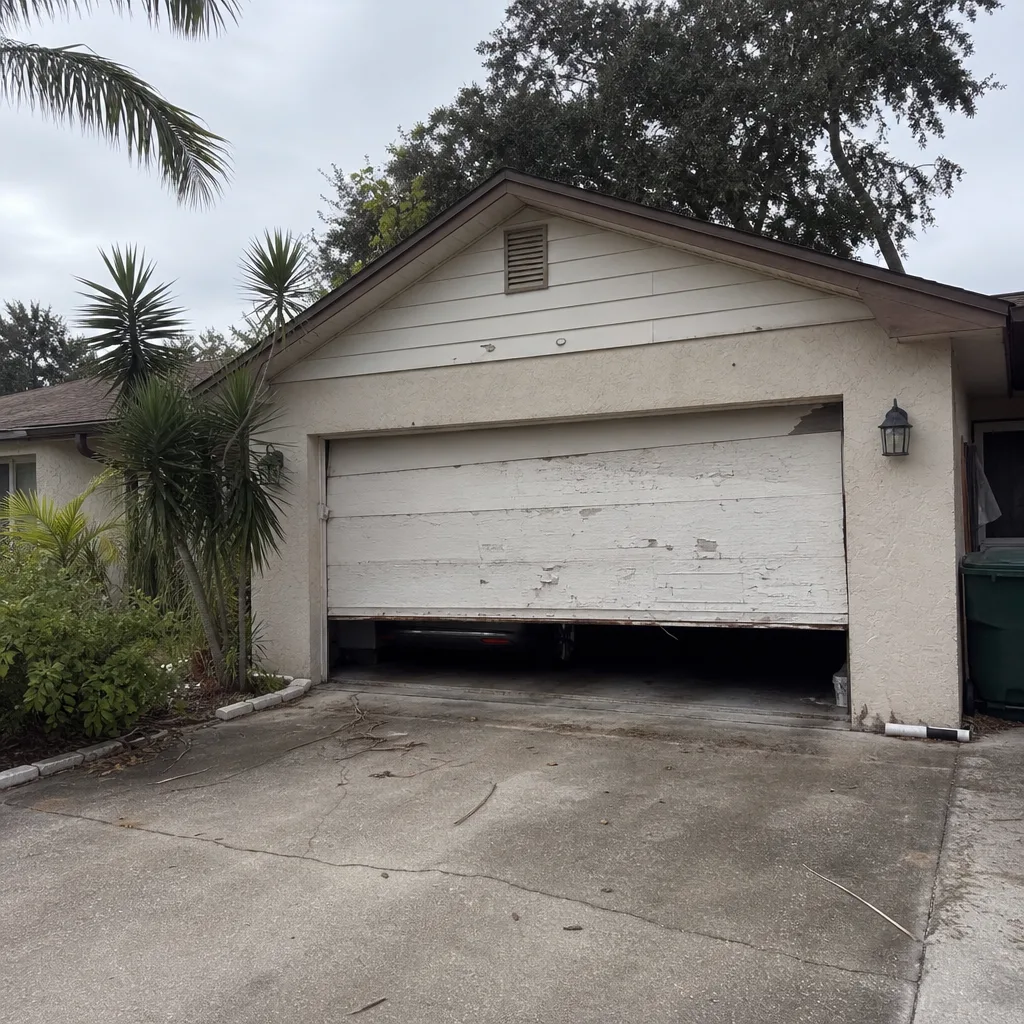 Before
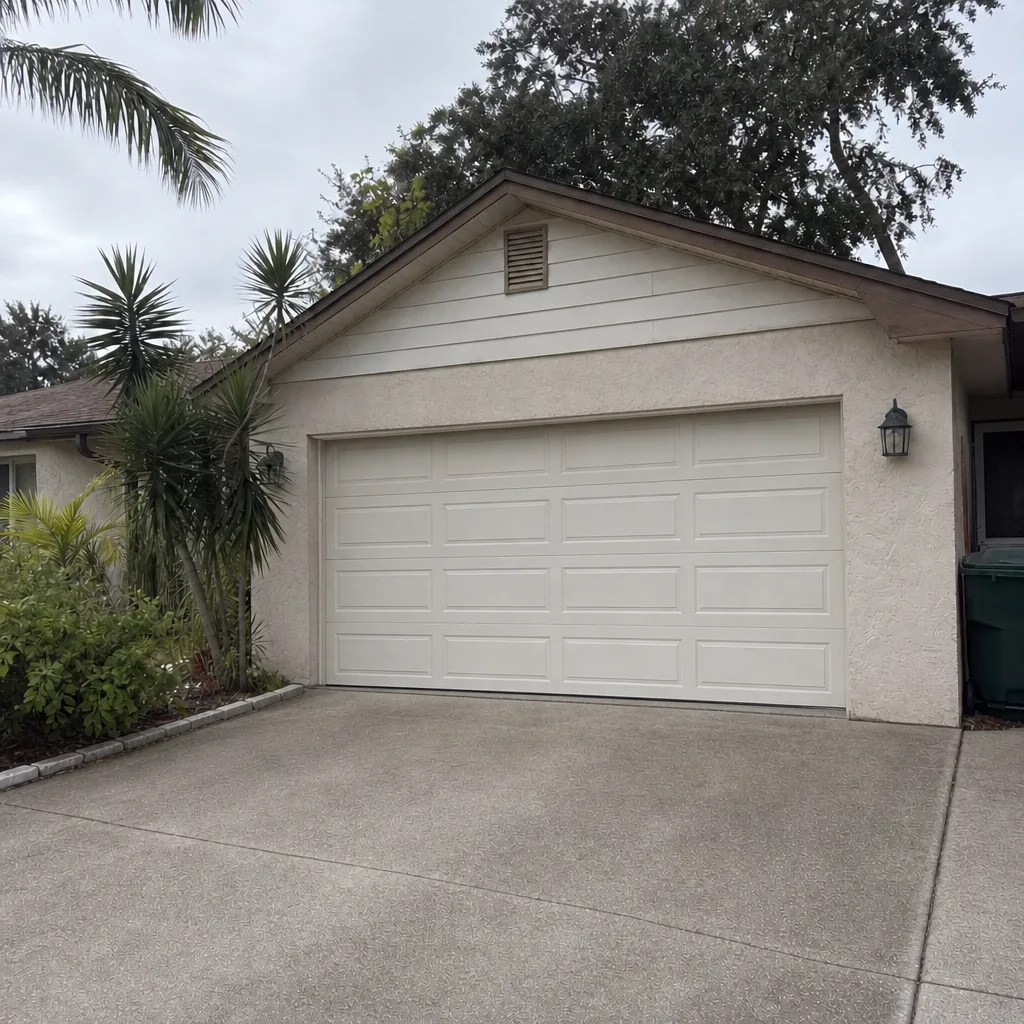 After
When to Call a Professional
Call a specialist when the door is broken and you need it working, when you’re replacing a door and need the permit and inspection process handled correctly the first time, when an existing installation’s paperwork is missing, or when an opener has failed and you can’t tell whether it’s repair or replacement. Springs, cables, and torsion hardware deserve a trained technician without exception – those components store enough energy to cause real injury if handled wrong, and this is never a homeowner job. Snell Isle sits in a Wind-Borne Debris Region where the paperwork matters as much as the door itself, so choosing a specialist who understands both is worth the call.
Garage Door Repair Snell Isle offers free estimates in Snell Isle – call (855) 337-1755. Estimates are free, the price is quoted and agreed before any work starts, and our technicians have up to 12 years of experience across every major door and opener brand on the market.
Frequently Asked Questions
Usually yes. Pinellas County requires a permit for any garage door replacement that changes the door’s design pressure rating, size, or opening configuration, which covers most modern replacements on Snell Isle. Like-for-like repairs, spring replacements, and opener swaps of the same model typically don’t require a permit. Always confirm with the county’s building department before authorizing work. Call (855) 337-1755 for a free estimate on your replacement – we’ll walk through the permit requirement with you.
It’s a code-assigned identifier for a specific product tested to meet Florida Building Code requirements, and every garage door installed in Florida must have one. Look for it on the door’s label and in the manufacturer’s installation instructions, then cross-check the record in the state’s Product Approval database – the model, size, and design pressure must all match. Keep a copy with your home’s maintenance file. Call (855) 337-1755 if you need help reading the label on an existing door.
The door still works, but the paper trail doesn’t. Unpermitted work can create problems during an insurance claim on the door, at the required Florida disclosure stage of a resale, and when a buyer’s inspector flags the missing permit. Getting retroactive approval afterward is possible but not guaranteed. The permit is cheap compared to the alternatives – call (855) 337-1755 to plan a permitted replacement.
We treat a stuck door as the emergency it is, and emergency service is part of what we offer for urgent, same-day situations in Snell Isle. A door that won’t close leaves your home open, and a door that won’t open traps your car; both need a technician quickly. Pricing is quoted and agreed before any work starts, so there’s no surprise invoice at the end. Call (855) 337-1755 and we’ll get you booked as fast as we can.
The dividing line is whether anything about the opening or its design pressure changes. A new door on an existing opening that changes the design pressure rating is a replacement and requires a permit. Swapping a broken panel, roller, or spring on an otherwise-compliant door is a repair and generally doesn’t. If you’re not certain which side your job falls on, ask the county before work begins. Call (855) 337-1755 for a free assessment of which it is.
No. The written estimate is the price. We measure, quote, and agree on the scope before any work starts, and the number doesn’t move because the door turned out to be harder to reach or the opener turned out to be a different model than expected. Any change in scope is discussed with you first, in writing, before work continues. Call (855) 337-1755 for a free estimate – no surprises.
The Bottom Line
Snell Isle sits in a Wind-Borne Debris Region, and that single designation drives most of the permit, code, and inspection requirements on this page. A permitted replacement isn’t red tape – it’s what connects the physical door to its Florida Product Approval number, its design pressure rating, and its installation instructions. That connection is what an insurance adjuster and a buyer’s inspector will ask for. Repair on an existing door is usually exempt. Replacement usually isn’t. Springs, cables, and torsion hardware are always a technician job. Getting the paperwork right the first time costs almost nothing extra and eliminates a decade of downstream uncertainty, and in our experience that’s the whole reason the permit exists.
Call (855) 337-1755 for a free estimate in Snell Isle. The price is quoted and agreed before any work starts, our technicians have up to 12 years of experience, and we work on every major door and opener brand – LiftMaster, Chamberlain, Genie, Clopay, Amarr, Wayne Dalton, Craftsman, and Raynor. Whether you’re replacing a door, repairing a broken spring, or facing an emergency, the team is here to help.
Written by the team at Garage Door Repair Snell Isle.