Last updated November 22, 2026
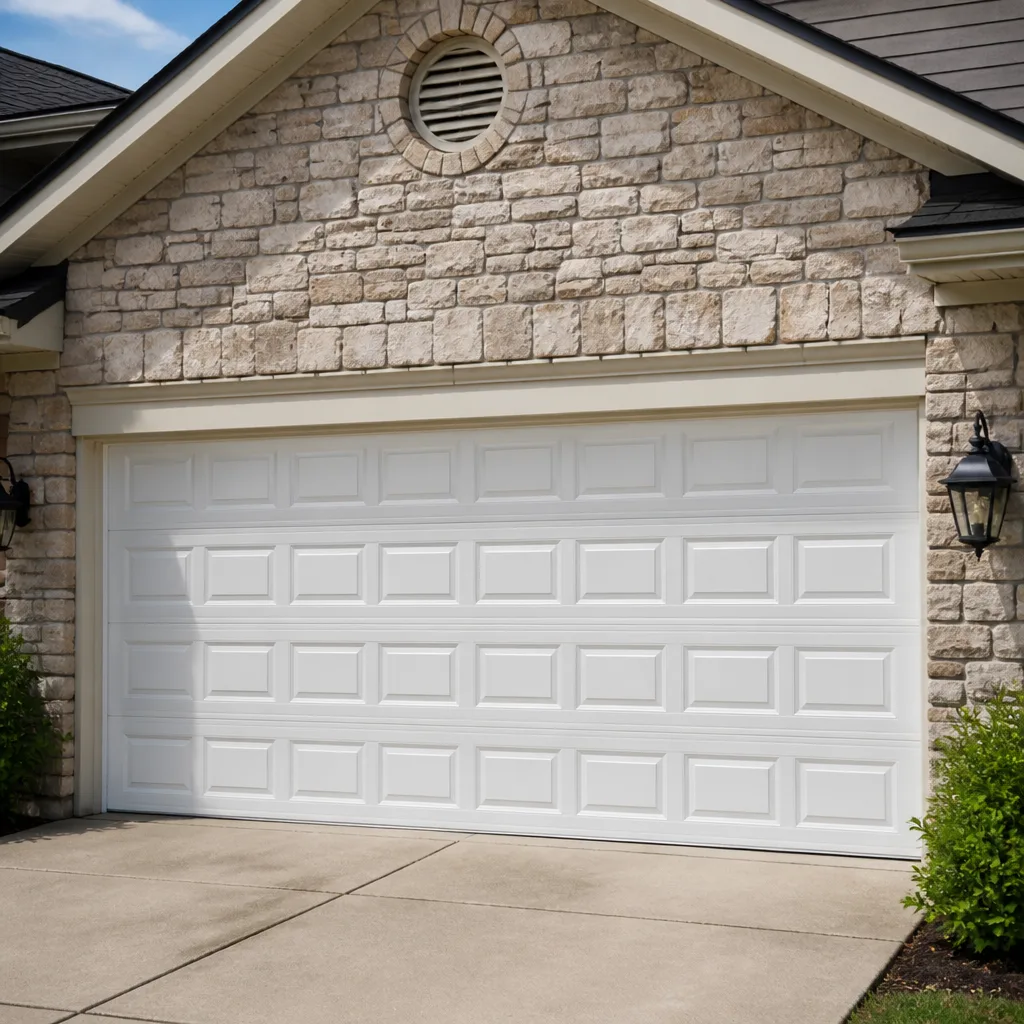 Raised-panel steel
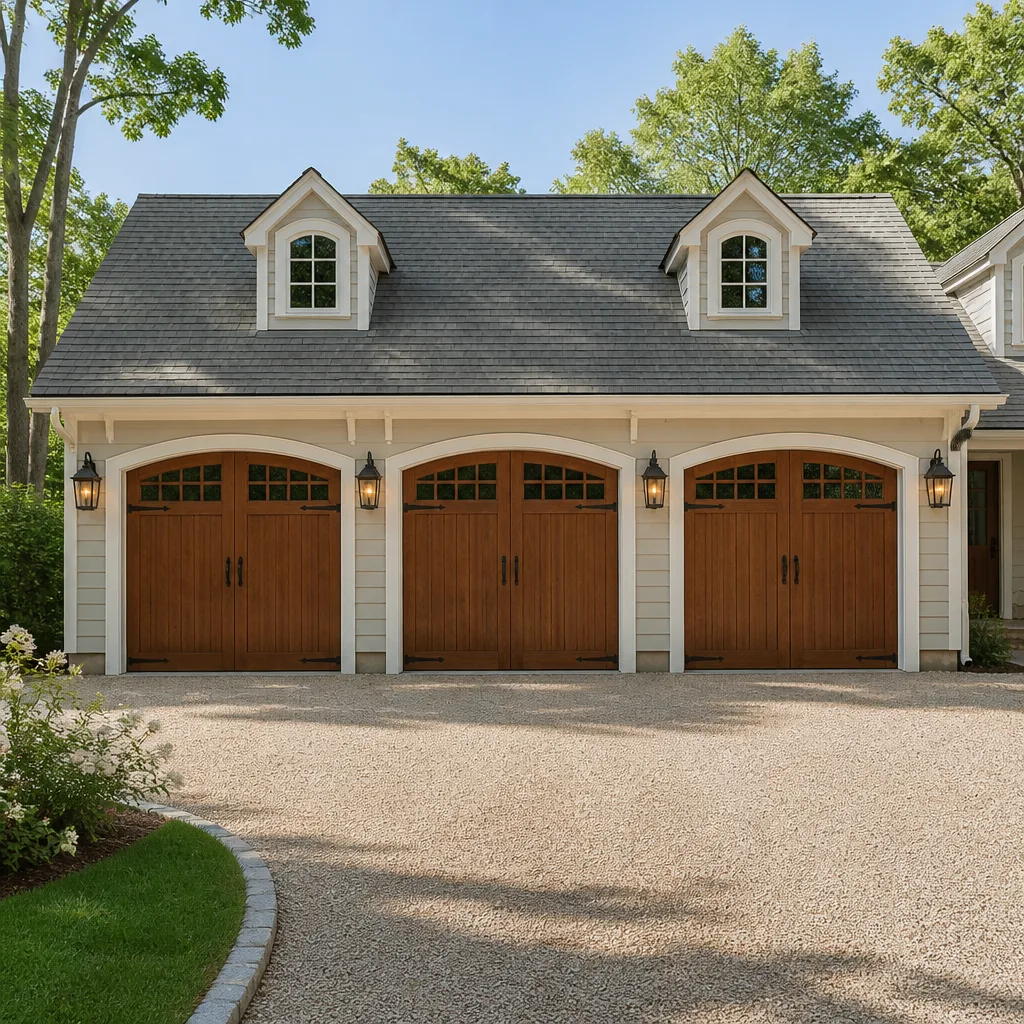 Carriage house
 Modern flush
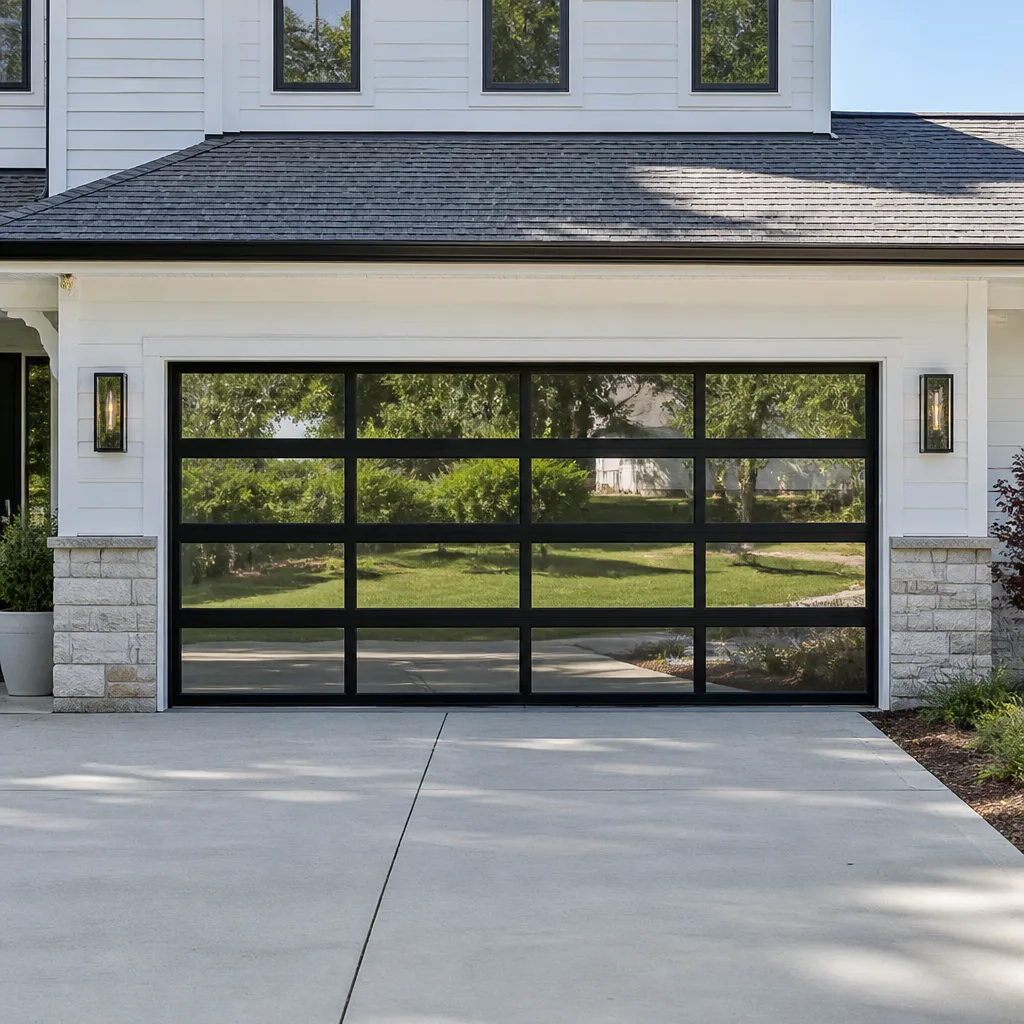 Full-view glass
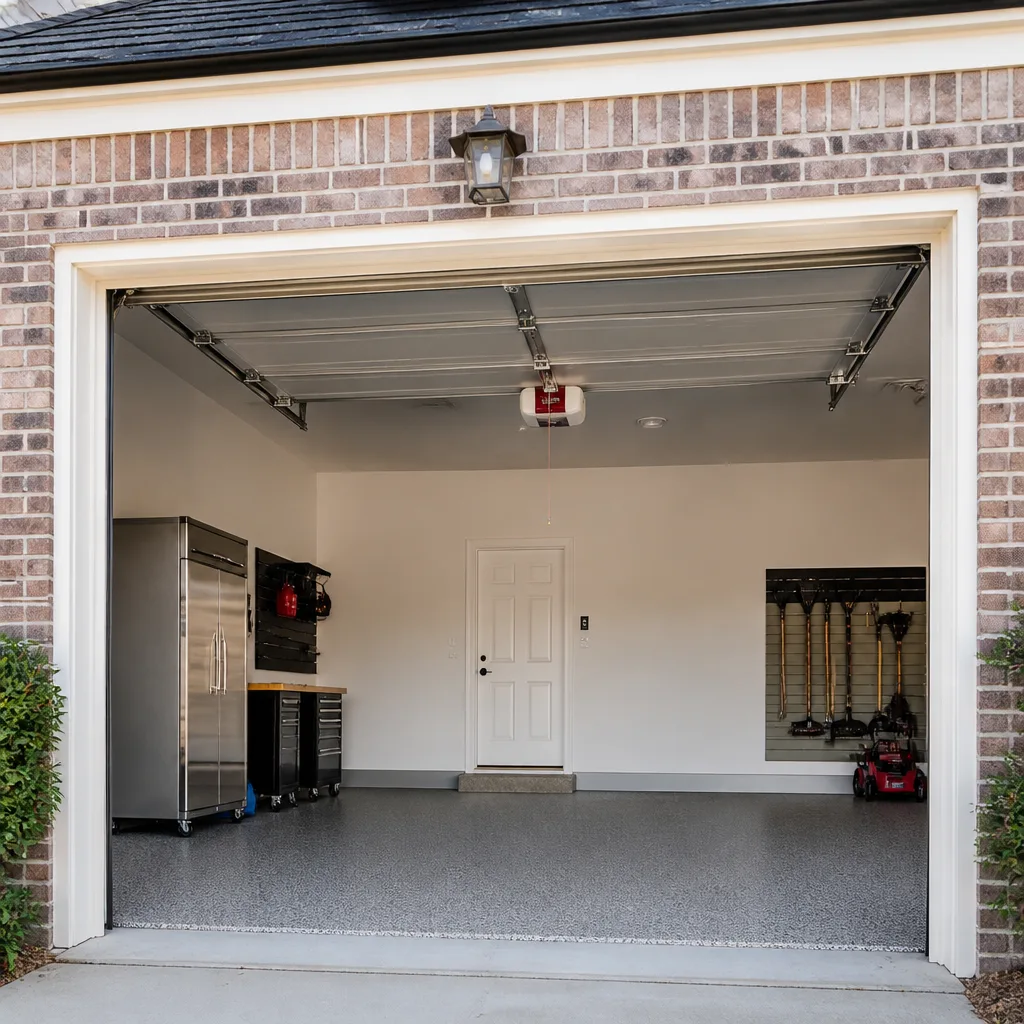 LiftMaster openers
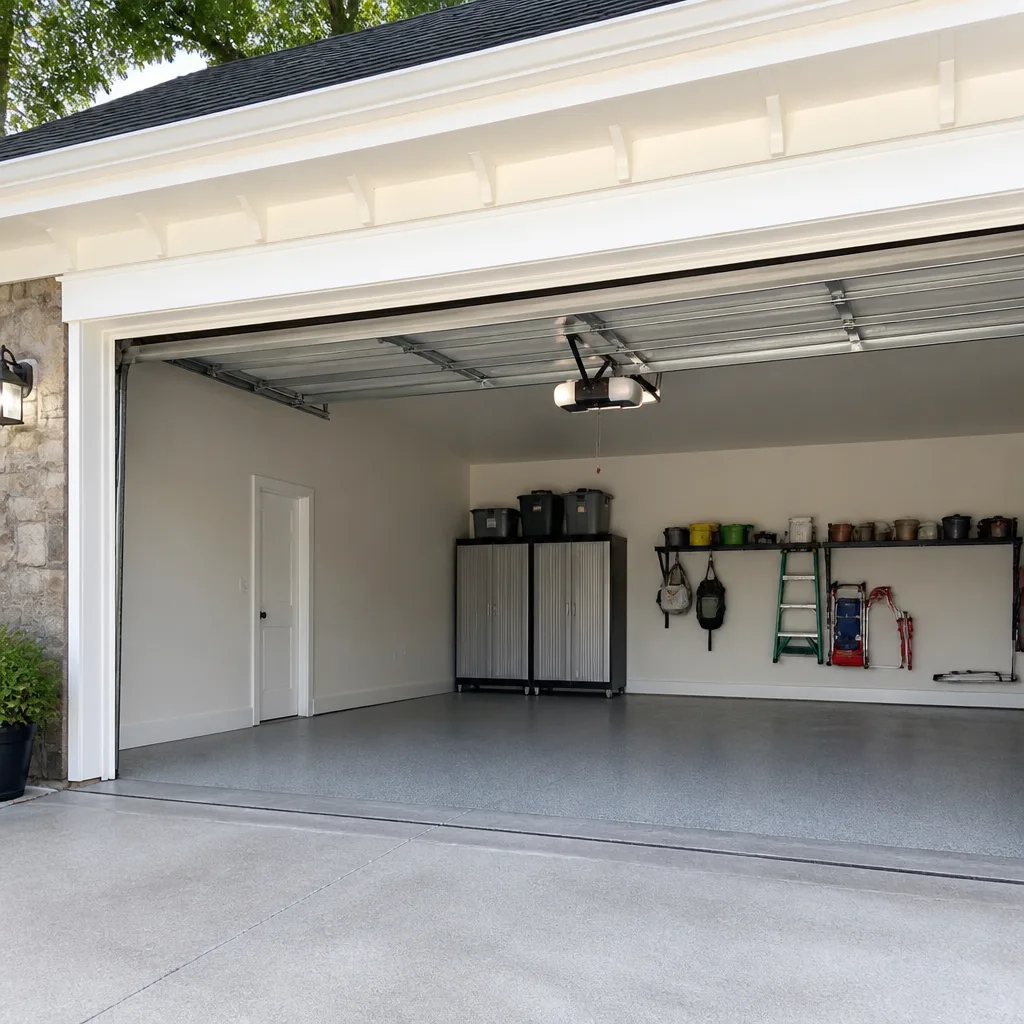 Chamberlain openers
Full 25-point door and opener safety check with every visit - springs, cables, rollers, tracks, and your LiftMaster or Chamberlain opener included
You get a price before we start. It does not change when the pro arrives.
Get your free estimateDIY vs Professional Garage Door: The Snell Isle Homeowner’s Decision Guide
The garage door is the largest moving object in most Snell Isle homes, and it’s also the only one that can maim you if you get a repair wrong. Here’s the counterintuitive part: the DIY-versus-professional question isn’t really about how handy you are. It’s about a specific, short list of tasks that pack enough stored energy or electrical risk to hurt you, and a longer list that’s genuinely fine to handle yourself. Humid Gulf Coast air changes where that line sits, too, because corroded hardware behaves unpredictably. This guide breaks the job down task by task so you can decide what’s worth your afternoon and what’s worth a phone call.
Quick Answer
Torsion and extension springs, cables, and anything that requires loosening the spring system are professional-only jobs, no exceptions, because of how much energy they store. You can safely handle photo-eye sensor alignment, remote and keypad programming, lubrication, and visual checks. In Snell Isle’s humid climate, corrosion on springs and cables makes the dangerous tasks more unpredictable than they are in a drier place, which widens the gap between DIY and professional work.
Styles & brands we work with
- Raised-panel steel
- Carriage house
- Modern flush
- Full-view glass
- LiftMaster openers
- Chamberlain openers
Table of Contents
- Which Garage Door Tasks Can You Safely DIY?
- Why Snell Isle’s Humidity Makes Springs and Cables Worse
- What a Failed DIY Attempt Actually Costs You
- Florida Code, Warranties, and the Hidden Cost of DIY
- How to Talk to a Technician About What You’ve Already Tried
- When to Call a Professional
- Frequently Asked Questions
Which Garage Door Tasks Can You Safely DIY?
The line between safe DIY and call-a-professional runs along one simple question: does the task require you to release or carry tension in a spring, cable, or counterbalance system? If yes, stop and call. If no, and it’s a low-voltage or lubrication task, you’re probably fine. Here’s the honest breakdown.
Safe for most homeowners:
- Photo-eye sensor alignment. If your door reverses immediately, look for an obstructed or misaligned sensor eye first. They’re low-voltage and easy to nudge back into line.
- Remote and keypad programming. Pairing a new remote or resetting a keypad code is a manual-reading task, not a mechanical one. LiftMaster and Chamberlain systems are the most common in Snell Isle garages and both have straightforward pairing steps.
- Lubrication. A little garage-door lubricant on hinges, rollers, and the torsion tube (never on the spring coil itself) keeps things quiet and reduces wear.
- Visual inspection. Look for frayed cables, gaps in the spring coil, dented panels, and worn rollers. Catching these early is the single best DIY skill.
- Track cleaning. Wiping down tracks removes grit that causes binding.
- Testing the safety reverse. Place a roll of paper towels under the door and confirm it reverses on contact. If it doesn’t, that’s a technician job on the opener’s travel and force settings.
Professional-only, every time:
- Torsion and extension spring replacement. A wound torsion spring holds enough force to cause permanent injury in a fraction of a second. There’s no safe DIY version of this job.
- Cable replacement. Cables are under tension from the springs and can snap with serious consequences. Frayed cables are a stop-using-the-door signal.
- Track realignment after a bind. If the door has jumped a track, don’t force it. The panel can drop, and the geometry is harder to reset than it looks.
- Opener replacement and wiring. New opener installation involves electrical connections and force calibration that a technician should dial in.
- Panel and section replacement. Getting a panel to seat correctly on worn rollers and hinges is fussier than it seems, and a misaligned panel puts stress on everything around it.
If you’re not sure which category your problem falls into, describe it over the phone. We can usually tell you in the first minute whether it’s a DIY job or not, and free estimates mean you’re not gambling on a call. Our Garage Door Repair Snell Isle team handles all of the professional-only work above, from springs to full installations.
Why Snell Isle’s Humidity Makes Springs and Cables Worse
Here’s what most DIY guides skip. The same spring and cable job carries more risk in Snell Isle than it does in a dry inland climate, because constant Gulf humidity attacks the steel these components are made of. A spring that’s been slowly corroding doesn’t fail the way a clean one does. It can give way unpredictably, sometimes mid-repair, which is exactly the moment a homeowner has their hands in the works.
What this means in practice:
- Cables weaken from the inside. Corrosion starts in the strands you can’t see. A cable that looks fine on the surface can be considerably weaker than its appearance suggests, and a fragile cable can let go during a repair in a way a healthy one wouldn’t.
- Hinges and rollers seize. Humidity and the occasional summer storm leave behind enough moisture to rust hinges and rollers. Seized hardware puts extra strain on the opener and the door’s balance, which eventually shows up as an opener that strains or a door that jerks.
- Spring coils develop rust valleying. Rust pits the coil surface, and those pits become stress points. A spring with visible rust is closer to failure than one with a clean surface.
- Weather seals degrade faster. The bottom seal and side weatherstripping take the brunt of the humidity. When they harden and crack, rainwater and humidity get to the door’s interior metal and hardware.
None of this means you’re helpless. It means your inspection routine matters more here than it would in a drier market. Once a season, take five minutes to look at the springs and cables (with the door closed and hands off the moving parts), then listen. A door that’s louder than it used to be, or one that hesitates, is telling you something’s wearing. Every major door brand we work with, from Amarr to Wayne Dalton and Raynor, ages the same way in this climate. Catching corrosion early is what keeps a repair small instead of an emergency.
What a Failed DIY Attempt Actually Costs You
A DIY attempt that goes wrong rarely costs just the price of the part. It usually cascades, because garage door hardware is interconnected. A track you bent trying to force the door back into line distributes the stress to the panels. A misaligned panel strains the hinges. A bad opener calibration wears out the rollers faster. The bill grows with each link in that chain.
The common DIY outcomes and what they cost you:
- A bent track. Track and track hardware is more expensive to source than most homeowners expect, especially for a specific model, and fitting a new section correctly takes a technician who understands the door’s geometry.
- A damaged panel. A door panel is often the most expensive single part on the whole system. On a discontinued or brand-specific door (Wayne Dalton and Craftsman doors, for instance), matching a replacement panel can take time and money.
- A stripped opener gear or burned-out motor. Forcing a stuck door with the opener running is a common self-inflicted failure. It can destroy the drive gear inside the unit, which usually means a full opener replacement rather than a repair.
- A skipped diagnostic. When a homeowner works the wrong part first, they pay for both the wrong attempt and the eventual correct repair, plus the technician has to undo the wrong attempt before they can fix the real issue.
There’s a quieter cost, too: time without a working door. A garage door is how you leave and come back. A stuck or disengaged door leaves the car trapped in the garage or the house open. If your door is stuck open, our garage door repair team treats it as the urgent situation it is, and emergency service is available for exactly these cases.
Two rules worth memorizing before you touch anything. First, the written estimate you’re quoted is the price, agreed before any work starts. Second, when in doubt about a part you’re about to force, stop, because forcing it is how small problems become expensive ones.
Florida Code, Warranties, and the Hidden Cost of DIY
Most homeowners don’t think about warranties until something fails, and that’s when DIY work becomes genuinely expensive. If you replace your own opener, springs, or door sections, you can void the manufacturer’s warranty on that component – and sometimes on related parts, since the manufacturer can attribute a later failure to the incorrect installation. You did the work yourself, so it’s your problem to solve. Put simply: DIY work frequently voids manufacturer warranties, and the warranty terms are on the component you’re about to remove.
The code side matters too. Local building authorities in Florida typically require permits for major work like full door replacement or structural changes to the opening. That means the job should be done by a qualified installer who knows the permit requirements for your address. If you’re unsure what applies to your home in Snell Isle, ask the city’s building department before you start, because permit and inspection requirements vary by jurisdiction. A licensed installer handles the paperwork and the inspection, while a DIY job can leave you non-compliant and exposed if a claim ever comes up.
The practical upshot: for anything structural, electrical, or spring-related, professional installation protects your warranty and your compliance. For whole-door replacement, our garage door installation service includes the measure, the written price, and the permit conversation up front, so you know what’s covered before a single bolt is removed. The good news is that a professional install is measured and scheduled – the timeline is clear and the finish is right.
How to Talk to a Technician About What You’ve Already Tried
If you’ve attempted a fix and it didn’t work, the fastest path to an accurate, cost-conscious repair is a clear account of it. Technicians don’t judge a DIY attempt. They use it as a diagnostic clue, so don’t hide the fact that you tried something. Here’s how to give them a running start:
- Describe the original symptom. Was the door stuck, loud, reversing, or not responding to the remote? What happened right before?
- List what you tried and what you touched. Did you adjust travel limits, move a sensor, force a panel, or replace a roller? Even a failed attempt tells us a lot.
- Mention any part you replaced. Model and brand matter. If you installed a Chamberlain or Genie component, tell us which one.
- Describe what changed after your attempt. Did the door get noisier, stick differently, or start reversing on its own? Did one symptom become another?
- Say what you’re hearing and feeling. A grinding opener, a clicking hinge, a door that hesitates at the same point every time. These details point straight at the cause.
A detailed account shortens the diagnostic step and saves you time and money on the visit. In Snell Isle, where humidity makes corrosion a factor, it’s especially useful to mention whether the door has been louder or creakier in the months leading up to the failure. Our garage door opener repair team spends the first part of the visit diagnosing, and the more we know going in, the less time that takes. We work on LiftMaster, Chamberlain, Genie, Clopay, Amarr, Wayne Dalton, Craftsman, and Raynor equipment, so tell us your brand and we’ll know where to look.
When to Call a Professional
Call a technician the moment the task involves a spring, cable, or structural change. Specifically: a snapped or sagging spring, a frayed or slack cable, a door that’s jumped its track, a door that won’t reverse on contact, an opener that trips the breaker, or a door stuck open in a way that leaves your home insecure. If a spring breaks with the door down, your car is trapped. If it breaks with the door up, your house is exposed. Both are emergency situations, and Garage Door Repair Snell Isle offers emergency service and free estimates in Snell Isle – call (855) 337-1755 to schedule. For repair, same-day service is often possible.
Frequently Asked Questions
No – spring replacement is not a safe DIY job under any circumstances, because a wound spring stores enough energy to cause permanent injury in a fraction of a second. In Snell Isle’s humid climate, corrosion makes springs even more unpredictable, so this is firmly professional-only. Call (855) 337-1755 – spring repair is a core service and estimates are free.
The difference comes down to which tasks store energy. Sensors, remotes, keypad programming, lubrication, and visual inspections are safe to handle yourself. Springs, cables, track realignment, and opener wiring require a technician. Humidity-driven corrosion in coastal hardware makes the professional-only tasks more dangerous here than inland.
It often can. Replacing an opener, springs, or panels yourself can void the manufacturer’s warranty on that component, and sometimes on related parts. A licensed professional installation keeps the warranty intact, and professional work is more likely to stay compliant with local permit requirements. Check your warranty terms before you attempt any component replacement.
For repair, often yes – we offer same-day service for urgent situations, and emergency service is available. If you’ve attempted a fix, tell us exactly what you did when you call so we can bring the right parts and diagnose faster. Call (855) 337-1755 for an exact quote; estimates are free.
The price depends on the specific spring and the door’s condition. You’ll get a written estimate before any work starts, and that written price is what you pay, not a guess over the phone. Call (855) 337-1755 – estimates are free and quoted before work begins.
No – the written estimate is agreed before any work starts, so you’re not getting an invoice bigger than the quote. Ask any technician to put their price in writing up front. Call (855) 337-1755 with your symptom and get a clear estimate.
Common Mistakes to Avoid
- Forcing a stuck door. If the door won’t move, don’t push it with the opener or by hand. Forcing it bends tracks and strips opener gears, turning a repair into a replacement.
- Assuming visual inspection is enough. In Snell Isle’s humidity, cables can corrode internally while looking fine on the surface. Corrosion can weaken a cable to the point of failure without an obvious sign.
- Replacing a spring yourself. This is the single riskiest DIY garage door mistake. The stored energy is enough to cause permanent injury, and it’s a job for a technician.
- Skipping lubrication because it “looks clean.” Humidity here rusts hinges and rollers fast. A quiet door is a door you’ll replace less often.
- Ignoring the operator’s safety reverse. If the door doesn’t reverse on contact, the opener needs force and travel calibration, which is a technician task. Don’t wait on this.
- Buying parts before diagnostics. Buying a spring or opener based on a guess often means buying the wrong part. Have a technician diagnose first.
- Forgetting the permit question on a full replacement. Local permit requirements vary, so ask the building department before a major install. A licensed installer handles this for you.
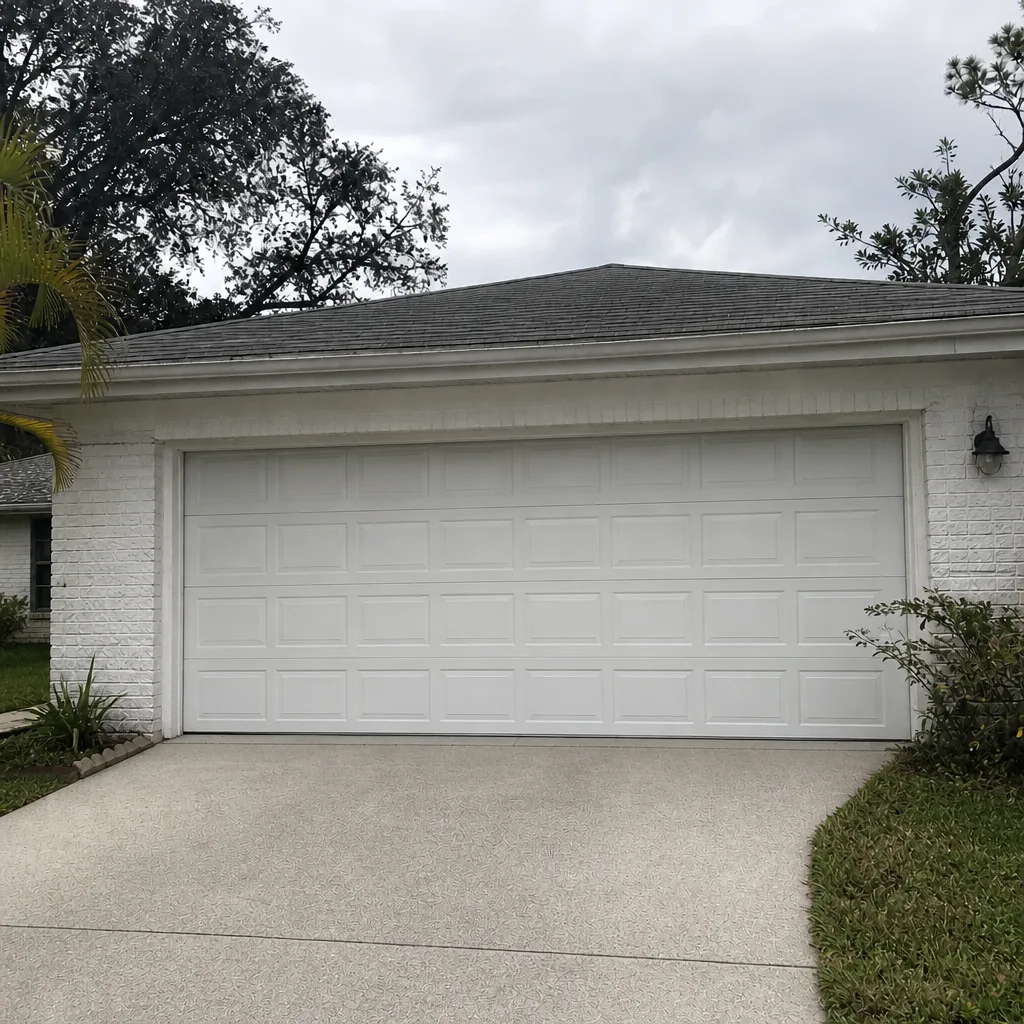
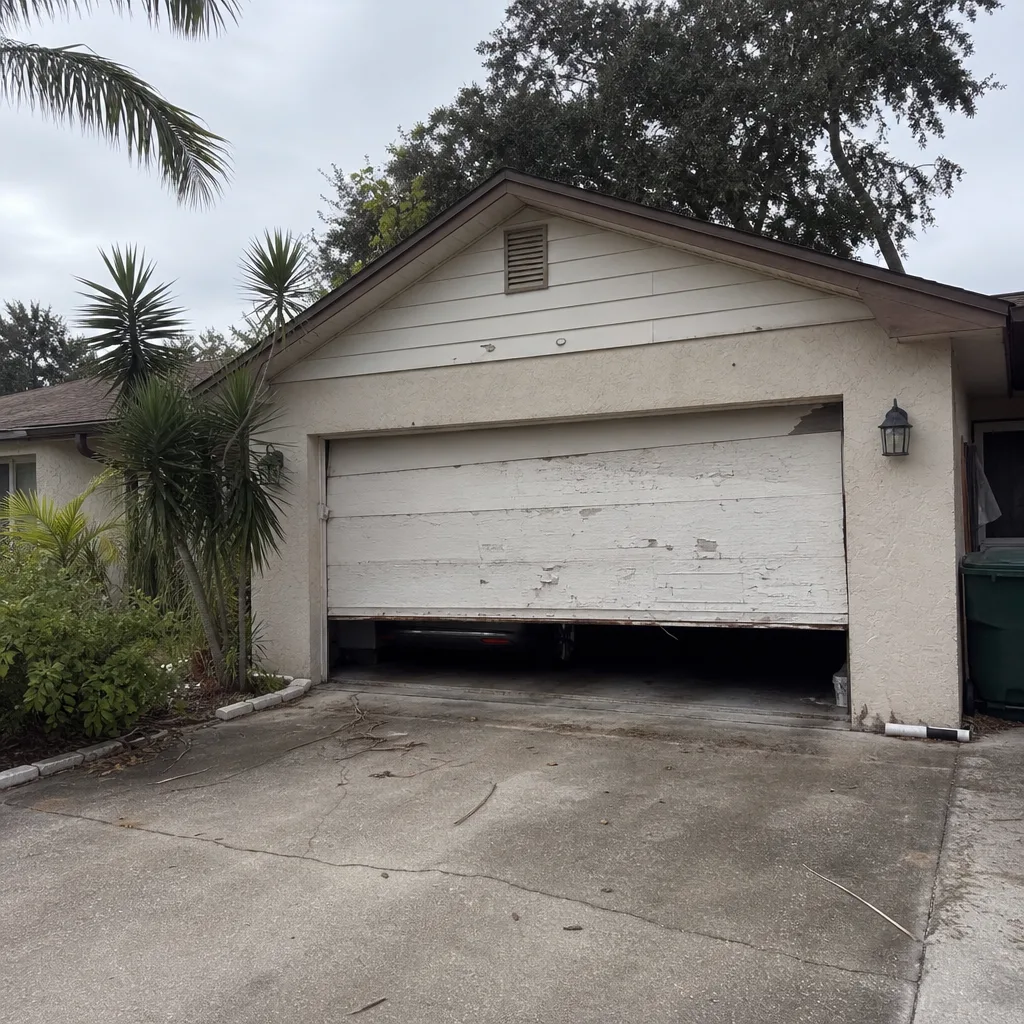
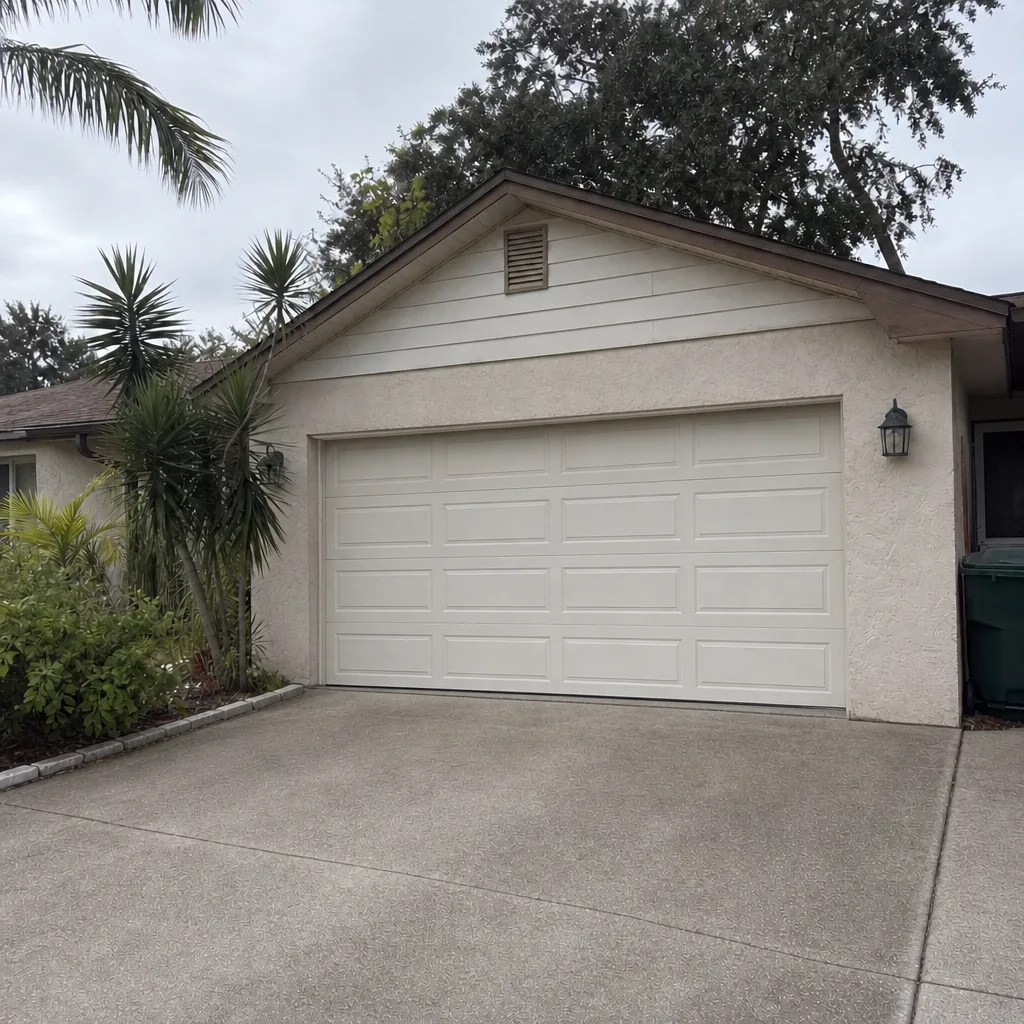
See the difference
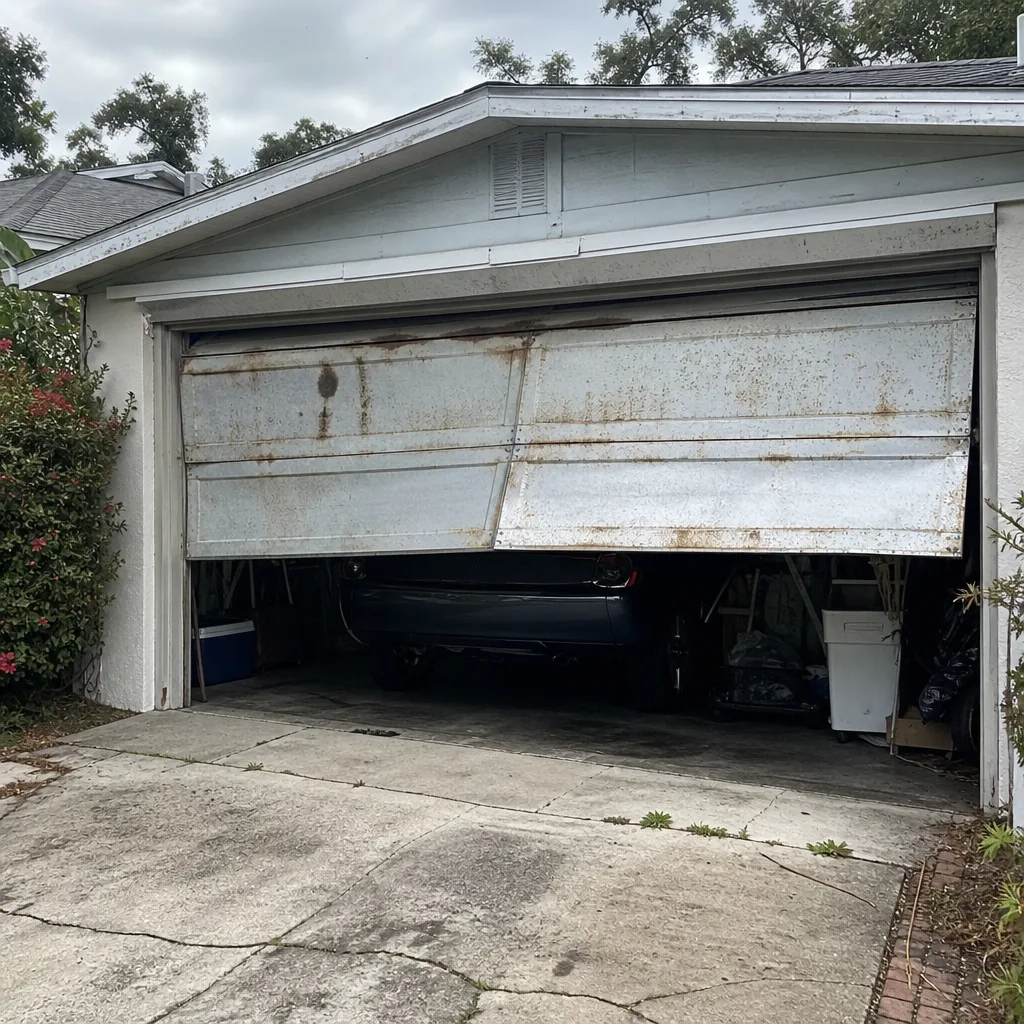 Before
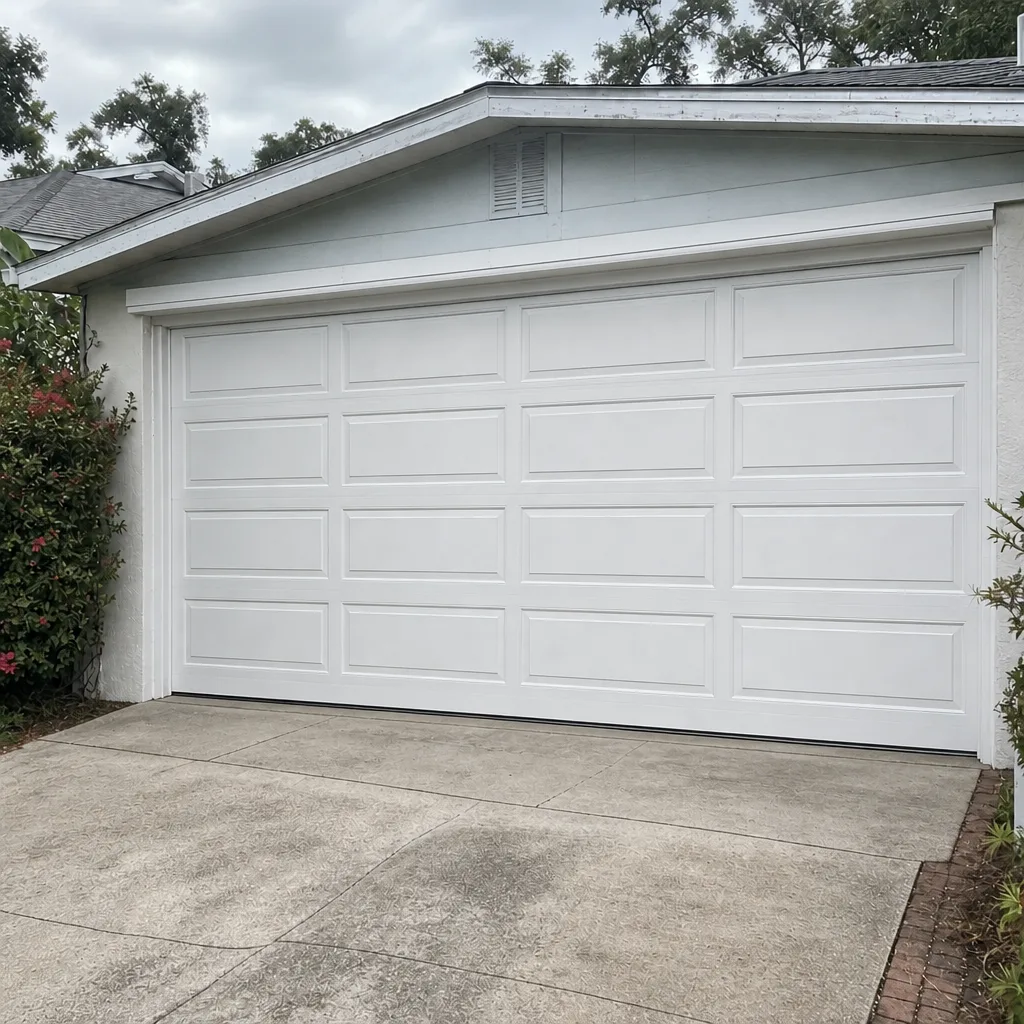 After
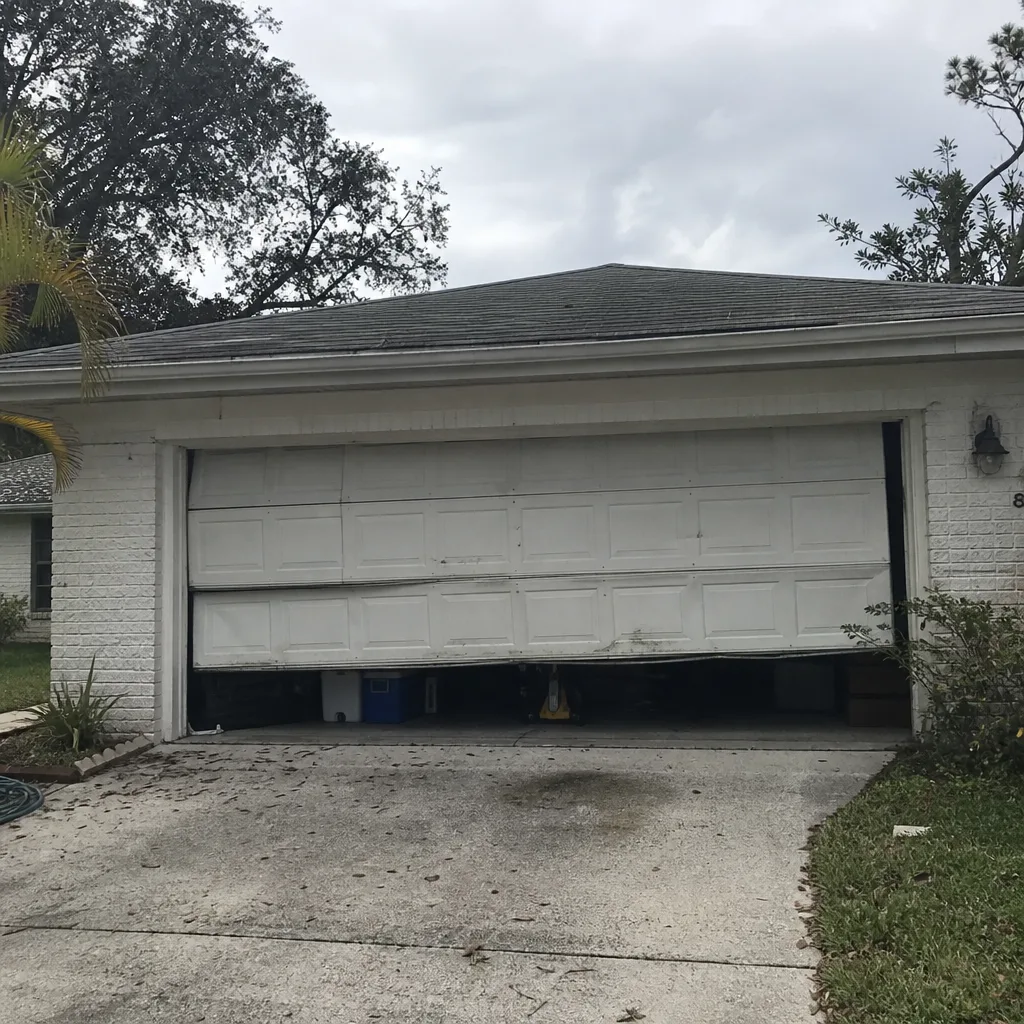 Before
 After
 Before
 After
The Bottom Line
A working garage door in Snell Isle needs two things: safe hands on the tasks that store energy, and a homeowner who handles the low-risk tasks like sensors, remotes, lubrication, and inspections. The dangerous tasks – springs, cables, track realignment, opener wiring – are professional work, and their risk rises in this humid climate because corrosion makes hardware fail in unpredictable ways. DIY can save you an afternoon on the simple jobs, but on the high-risk ones it can cost you far more than a service call. When in doubt, describe the symptom, get a written estimate, and let a specialist confirm the diagnosis. Our technicians have up to 12 years of experience across the eight major brands, from Amarr and Wayne Dalton to LiftMaster and Chamberlain.
Get a Free Estimate in Snell Isle
If you’re facing a garage door problem and you’re not sure whether it’s a DIY weekend project or a call for help, that’s the moment to pick up the phone. Garage Door Repair Snell Isle offers free estimates, upfront pricing, and same-day service for repairs. Call (855) 337-1755 and describe what’s happening – we’ll tell you straight whether it’s safe to handle yourself or whether it’s time for a technician. No guesswork, no surprise invoices.
Written by the team at Garage Door Repair Snell Isle.